Civil Works

#38: H2Rescue: Providing Power, Water and World Records

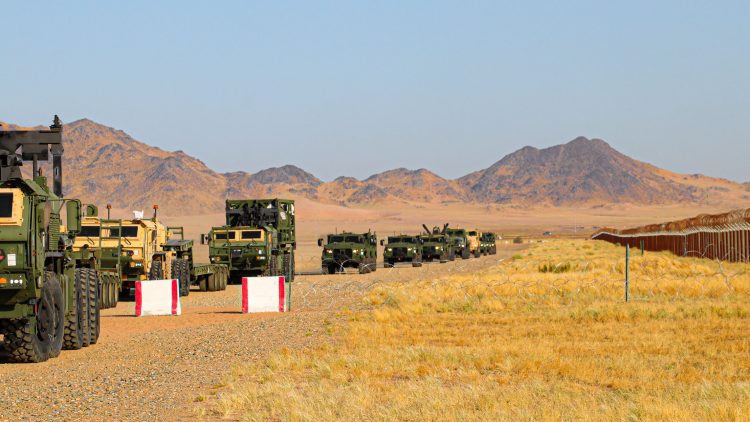
Roughly the distance from New York to Miami – or 1,806 miles. That’s how far a vehicle, developed in part by ERDC, drove on one tank of hydrogen fuel to not only set a mark honored by the Guinness Book of World Records, but also to advance new and existing hydrogen-powered technologies. In this episode,…

Read More

Video: #36: SandHound

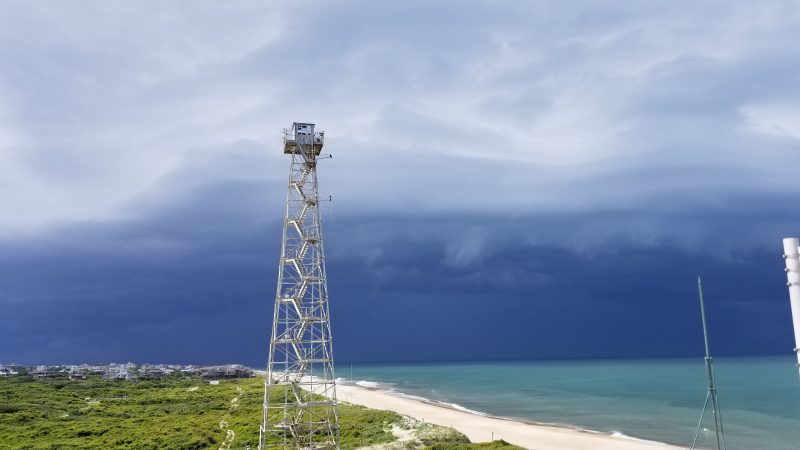
For several sweltering weeks along the North Carolina coastline, an ERDC teampushed a quadruped robot with a suite of advanced sensors to its limit to test its ability to conduct critical beach landscape surveys. The research – known as the SandHound Project – is working to validate whether the quadruped can operate at all levels…

Read More

Podcast Resources: #36: SandHound

The lessons learned from the ongoing SandHound Project research may soon provide a new “best friend” for coastal engineers, emergency response teams and military planners. During the weeks of testing, the quadruped robot – named “Snoop” – deployed a suite of advanced sensors that helped it navigate the beach environment and collect coastal landscape data….

Read More

#36: SandHound: Applying robotics to advance critical coastline survey capabilities

For several sweltering weeks along the North Carolina coastline, an ERDC teampushed a quadruped robot with a suite of advanced sensors to its limit to test its abilityto conduct critical beach landscape surveys. The research – known as the SandHound Project – is working to validate whether thequadruped can operate at all levels of the…

Read More

Podcast Resources: #35: Tech Transfer

ERDCWERX and ERDC’s Office of Research and Technology Transfer (ORTT) are accelerating innovation for the Warfighter and the nation. Through its collaboration with ERDCWERX, ERDC is expanding the Army’s ability to quickly adopt, adapt and deliver technologies that enhance readiness, strengthen protection, and provide dual-use solutions for both military and civilian applications. Listen to a…

Read More

Video: #35: Tech Transfer

https://www.youtube.com/watch?v=by-EjUWfyv4 ERDCWERX and ERDC’s Office of Research and Technology Transfer (ORTT) are accelerating innovation for the Warfighter and the nation. Through its collaboration with ERDCWERX, ERDC is expanding the Army’s ability to quickly adopt, adapt and deliver technologies that enhance readiness, strengthen protection, and provide dual-use solutions for both military and civilian applications. We explore…

Read More

#35: Tech Transfer: Adding the reach to research through commercialization

ERDCWERX and ERDC’s Office of Research and Technology Transfer (ORTT) are accelerating innovation for the Warfighter and the nation. Through its collaboration with ERDCWERX, ERDC is expanding the Army’s ability to quickly adopt, adapt and deliver technologies that enhance readiness, strengthen protection, and provide dual-use solutions for both military and civilian applications. We explore how…

Read More

Video: #34: Underwater ROV

The U.S. Army Corps of Engineers (USACE) manages hundreds of locks and dams, which are critical components of a complex navigation system that is central to our nation’s economy and security. Inspecting this aging aquatic infrastructure often requires costly and dangerous processes, such as deploying divers or dewatering structures, halting the flow of goods and…

Read More

#34: Underwater ROV: Making aquatic infrastructure inspection safer, cost-effective

The U.S. Army Corps of Engineers (USACE) manages hundreds of locks and dams, which are critical components of a complex navigation system that is central to our nation’s economy and security. Inspecting this aging aquatic infrastructure often requires costly and dangerous processes, such as deploying divers or dewatering structures, halting the flow of goods and…

Read More

#31: Wellbot: An innovative system to maintain relief wells

The nation’s levees and dams depend upon relief wells to alleviate underground pressure when water levels are high. However, microorganisms and natural chemicals in the water gradually leave a residue that clogs the wells’ porous screen walls, reducing their practical value and increasing the risk of dam or levee failure. Existing maintenance methods are costly,…

Read More