Alaska

#78: Defending Communities from Glacial Floods: ERDC seeks to deploy lidar system in rugged Alaskan environment

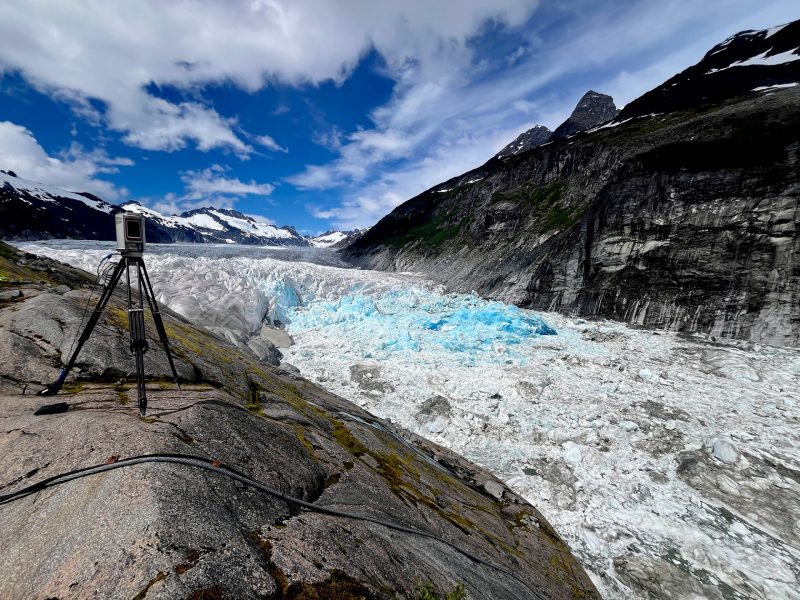
Annual glacial outburst floods from Suicide Basin present a severe threat to downstream homes, businesses and infrastructure in Juneau, Alaska. As Suicide Glacier retreats, the expanding basin traps massive amounts of seasonal meltwater before suddenly releasing it down the Mendenhall River valley — emptying the basin in 48 hours or less. As the U.S. Army…

Read More

Video: #78: Defending Communities from Glacial Floods

Video: #78: Defending Communities from Glacial Floods Video: #78: Defending Communities from Glacial Floods Lorem ipsum dolor sit amet, consectetur adipiscing elit. Ut elit tellus, luctus nec ullamcorper mattis, pulvinar dapibus leo. Annual glacial outburst floods from Suicide Basin present a severe threat to downstream homes, businesses and infrastructure in Juneau, Alaska. As Suicide Glacier…

Read More

Resources: #78: Defending Communities from Glacial Floods

Annual glacial outburst floods from Alaska’s Suicide Basin release huge volumes of water into the Mendenhall River valley in just hours, threatening downstream communities and infrastructure near Juneau. Because traditional monitoring systems are often unable to handle the harsh environment around the basin, ERDC is looking to deploy a rugged, non-contact terrestrial lidar system –…

Read More

#78: Defending Communities from Glacial Floods: ERDC seeks to deploy lidar system in rugged Alaskan environment

Annual glacial outburst floods from Suicide Basin present a severe threat to downstream homes, businesses and infrastructure in Juneau, Alaska. As Suicide Glacier retreats, the expanding basin traps massive amounts of seasonal meltwater before suddenly releasing it down the Mendenhall River valley — emptying the basin in 48 hours or less. As the U.S. Army…

Read More

#30: Oil on Ice: Improving spill response in frigid regions

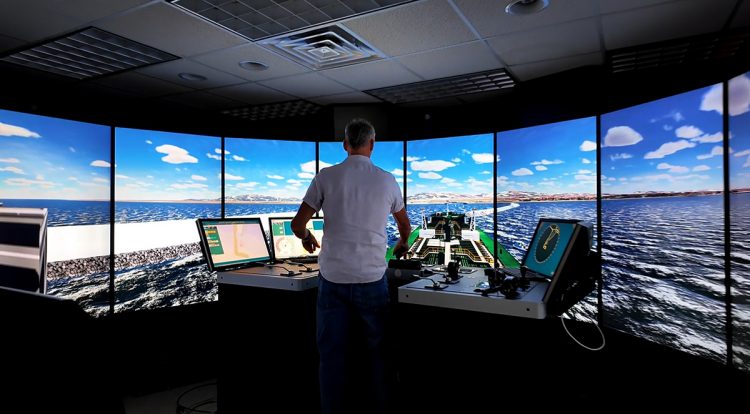
The environmental and economic toll of large-scale oil spills, such as the Exxon Valdez and Deepwater Horizon incidents, can linger for decades. That’s why research into better techniques and technologies for rapidly responding to these disasters is critical. One aspect of oil spill response that requires particular attention is the effect of ice and frigid…

Read More

#13: Permafrost Basic Research

Permafrost, or ground that has been frozen for at least two years, covers roughly a quarter of the Northern Hemisphere. And it is teeming with microbes, including many with unique characteristics that have allowed them to adapt to extremely low temperatures and survive for decades. As climate change threatens to thaw permafrost and revive these…

Read More