technology

#41: Antarctic Expertise: ‘Explorer’ has helped shape, advance cold regions engineering

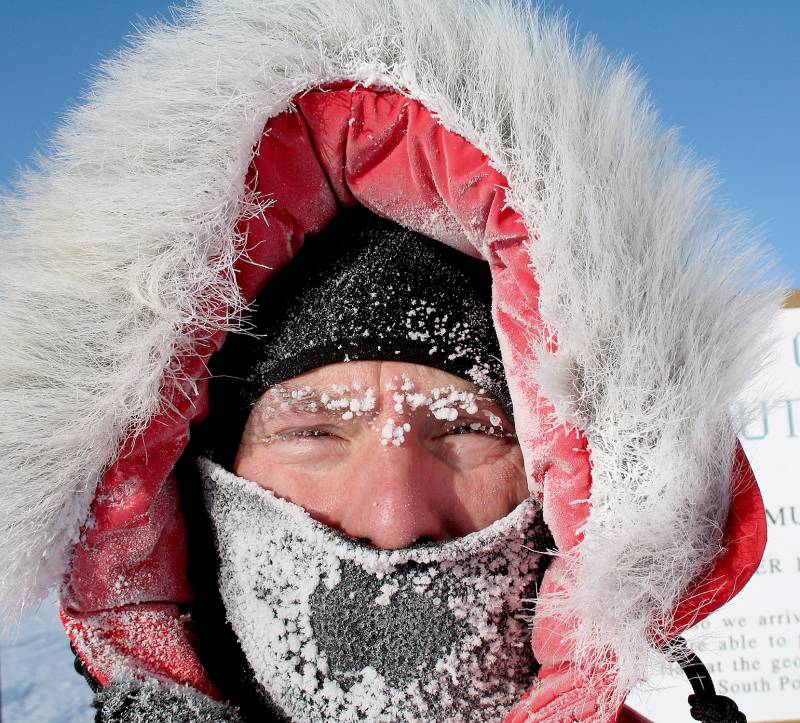
George Blaisdell’s career is one for the record books. His contributions to engineering in one of the world’s most inhospitable environments are legendary, but for a man with more than 30 trips to Antarctica, the work is far from over. Today’s guest is Blaisdell, a research civil engineer with ERDC’s Cold Regions Research and Engineering…

Read More

Podcast Resources: #41: Antarctic Expertise

George Blaisdell, a research civil engineering with ERDC’s Cold Regions Research and Engineering Laboratory, has traveled to Antarctica more than 30 times, conducting critical research that has advanced cold regions engineering. After time with the National Science Foundation, Blaisdell has returned to ERDC to continue his work and exploration of the southern continent. For more…

Read More

Video: #41: Antarctic Expertise

https://www.youtube.com/watch?v=DfCGuTVytBo George Blaisdell’s career is one for the record books. His contributions to engineering in one of the world’s most inhospitable environments are legendary, but for a man with more than 30 trips to Antarctica, the work is far from over. Today’s guest is Blaisdell, a research civil engineer with ERDC’s Cold Regions Research and…

Read More

#41: Antarctic Expertise: ‘Explorer’ has helped shape, advance cold regions engineering

George Blaisdell’s career is one for the record books. His contributions to engineering in one of the world’s most inhospitable environments are legendary, but for a man with more than 30 trips to Antarctica, the work is far from over. Today’s guest is Blaisdell, a research civil engineer with ERDC’s Cold Regions Research and Engineering…

Read More

#36: SandHound: Applying robotics to advance critical coastline survey capabilities

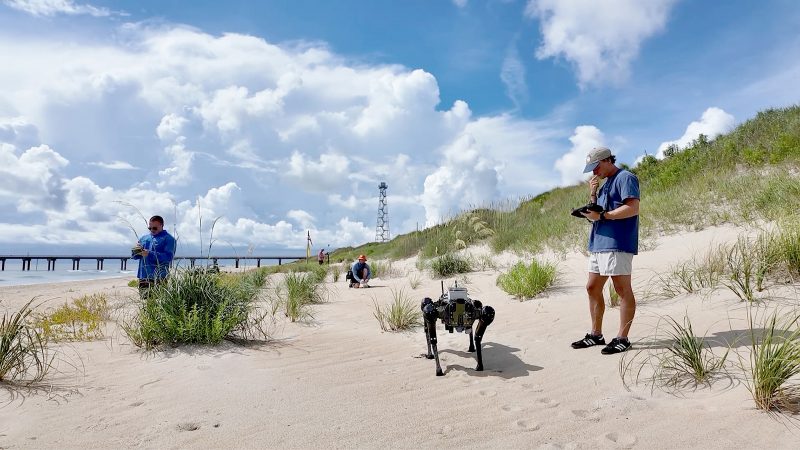
For several sweltering weeks along the North Carolina coastline, an ERDC teampushed a quadruped robot with a suite of advanced sensors to its limit to test its abilityto conduct critical beach landscape surveys. The research – known as the SandHound Project – is working to validate whether thequadruped can operate at all levels of the…

Read More

#32: Muddy: A mapping robot for extreme environments

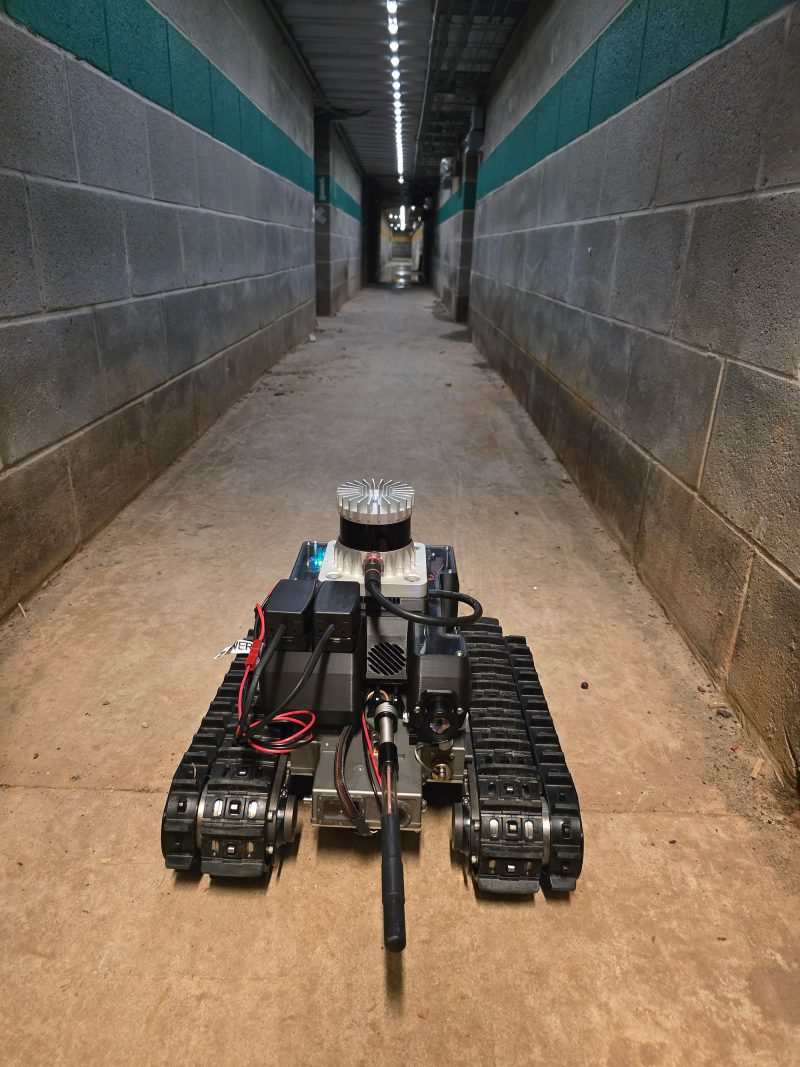
A low-cost unmanned ground vehicle capable of producing 3D maps, the Muddy robot has solved a variety of mapping challenges since 2017. Developed by the U.S. Army Engineer Research and Development Center (ERDC), Muddy is often used to test more expansive robotic platforms and to enable other projects. Its combination of autonomous navigation, affordability and…

Read More

#32: Muddy: A mapping robot for extreme environments

A low-cost unmanned ground vehicle capable of producing 3D maps, the Muddy robot has solved a variety of mapping challenges since 2017. Developed by the U.S. Army Engineer Research and Development Center (ERDC), Muddy is often used to test more expansive robotic platforms and to enable other projects. Its combination of autonomous navigation, affordability and…

Read More

#31: Wellbot: An innovative system to maintain relief wells

The nation’s levees and dams depend upon relief wells to alleviate underground pressure when water levels are high. However, microorganisms and natural chemicals in the water gradually leave a residue that clogs the wells’ porous screen walls, reducing their practical value and increasing the risk of dam or levee failure. Existing maintenance methods are costly,…

Read More

#31: Wellbot: An innovative system to maintain relief wells

The nation’s levees and dams depend upon relief wells to alleviate underground pressure when water levels are high. However, microorganisms and natural chemicals in the water gradually leave a residue that clogs the wells’ porous screen walls, reducing their practical value and increasing the risk of dam or levee failure. Existing maintenance methods are costly,…

Read More

#30: Oil on Ice: Improving spill response in frigid regions

The environmental and economic toll of large-scale oil spills, such as the Exxon Valdez and Deepwater Horizon incidents, can linger for decades. That’s why research into better techniques and technologies for rapidly responding to these disasters is critical. One aspect of oil spill response that requires particular attention is the effect of ice and frigid…

Read More