Arctic

#58: Building Energy Resilience in the Arctic & Elsewhere

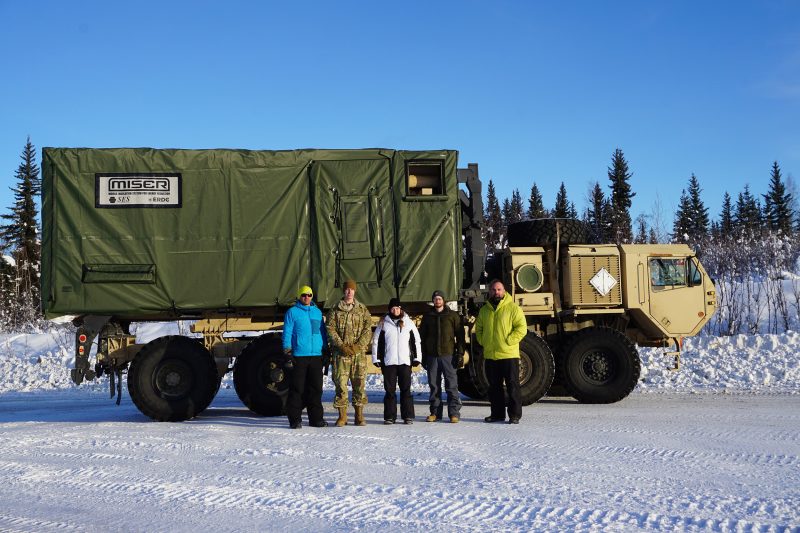
As the Department of War increases its focus on the Arctic, ensuring our forces can operate effectively in one of the world’s harshest environments has become a critical priority. From energy and infrastructure to the simple challenge of keeping equipment from freezing, the region’s demands require new and creative solutions, including the Mobile Insulation System…

Read More

Video: #58: Energy Resilience in the Arctic

https://www.youtube.com/watch?v=fVMGf7TGpLo As the Department of War increases its focus on the Arctic, ensuring our forces can operate effectively in one of the world’s harshest environments has become a critical priority. From energy and infrastructure to the simple challenge of keeping equipment from freezing, the region’s demands require new and creative solutions, including the Mobile Insulation…

Read More

#50: Permafrost Microorganisms: Newly discovered species could aid U.S. military Arctic operations

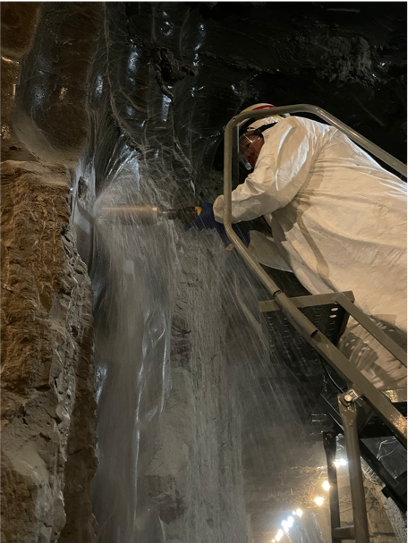
ERDC researchers recently discovered 26 new species of microorganisms frozen in permafrost that was approximately 40,000 years old. Studying the properties of these new species could unlock capabilities with the potential to support U.S. military operations in extreme cold regions. We discuss this discovery with Dr. Robyn Barbato, a senior research microbiologist and the leader…

Read More

Video: #50: Permafrost Microorganisms

https://www.youtube.com/watch?v=eDf8vRoURBQ ERDC researchers recently discovered 26 new species of microorganisms frozen in permafrost that was approximately 40,000 years old. Studying the properties of these new species could unlock capabilities with the potential to support U.S. military operations in extreme cold regions. We discuss this discovery with Dr. Robyn Barbato, a senior research microbiologist and the…

Read More

Podcast Resources: #50: Permafrost Microorganisms

ERDC researchers recently discovered 26 new species of microorganisms frozen in permafrost that was approximately 40,000 years old. Studying the properties of these new species could unlock capabilities with the potential to support U.S. military operations in extreme cold regions. Listen to Episode 50 to hear Dr. Robyn Barbato discuss this discovery. You can also…

Read More

#50: Permafrost Microorganisms: Newly discovered species could aid U.S. military Arctic operations

ERDC researchers recently discovered 26 new species of microorganisms frozen in permafrost that was approximately 40,000 years old. Studying the properties of these new species could unlock capabilities with the potential to support U.S. military operations in extreme cold regions. We discuss this discovery with Dr. Robyn Barbato, a senior research microbiologist and the leader…

Read More

#37: A Fresh (water) Runway: ERDC’s ice and snow expertise enables historic LC-130 landing

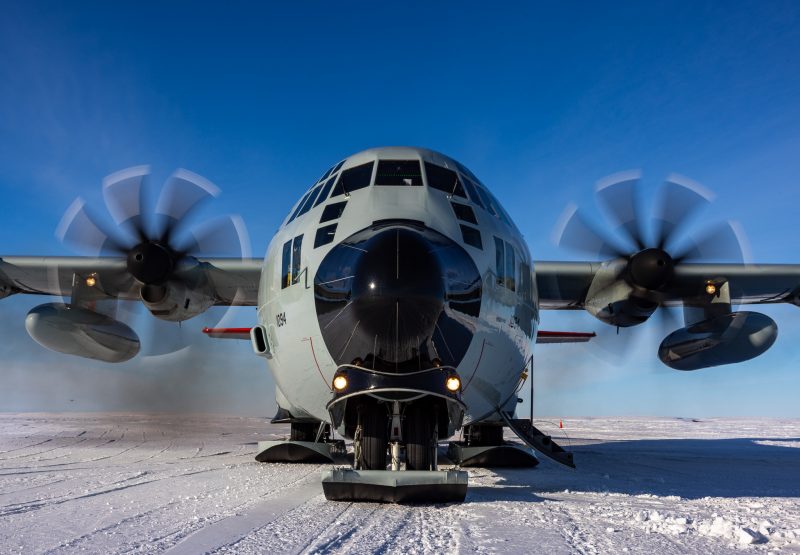
When the New York Air National Guard’s 109th Airlift Wing needed to find a suitable location to land its massive LC-130 Hercules cargo plane during an Arctic exercise in March 2025, it turned to ERDC for help. Although the nearby sea ice was not thick enough to support the maneuver, ERDC devised a plan to land…

Read More

Video: #37: LC-130 landing

When the New York Air National Guard’s 109th Airlift Wing needed to find a suitable location to land its massive LC-130 Hercules cargo plane during an Arctic exercise in March 2025, it turned to ERDC for help. Although the nearby sea ice was not thick enough to support the maneuver, ERDC devised a plan to land…

Read More

#30: Oil on Ice: Improving spill response in frigid regions

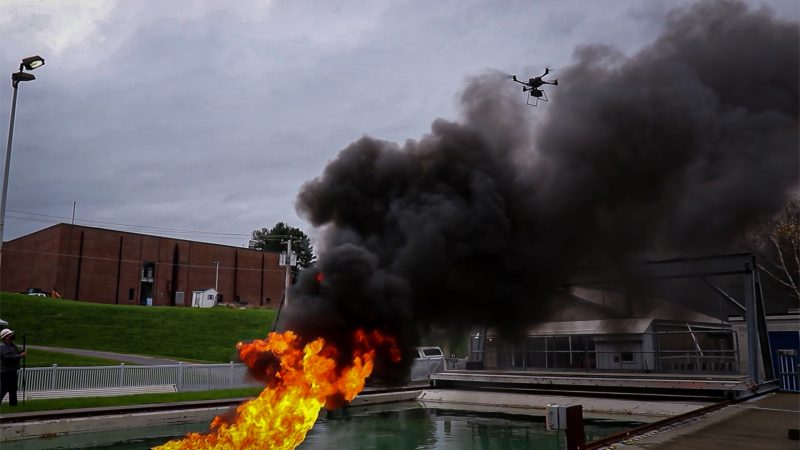
The environmental and economic toll of large-scale oil spills, such as the Exxon Valdez and Deepwater Horizon incidents, can linger for decades. That’s why research into better techniques and technologies for rapidly responding to these disasters is critical. One aspect of oil spill response that requires particular attention is the effect of ice and frigid…

Read More

#30: Oil on Ice: Improving spill response in frigid regions

The environmental and economic toll of large-scale oil spills, such as the Exxon Valdez and Deepwater Horizon incidents, can linger for decades. That’s why research into better techniques and technologies for rapidly responding to these disasters is critical. One aspect of oil spill response that requires particular attention is the effect of ice and frigid…

Read More