Coastal Engineering

#79: Dune in the Flume: ERDC team relocates natural structure to laboratory to study dynamics

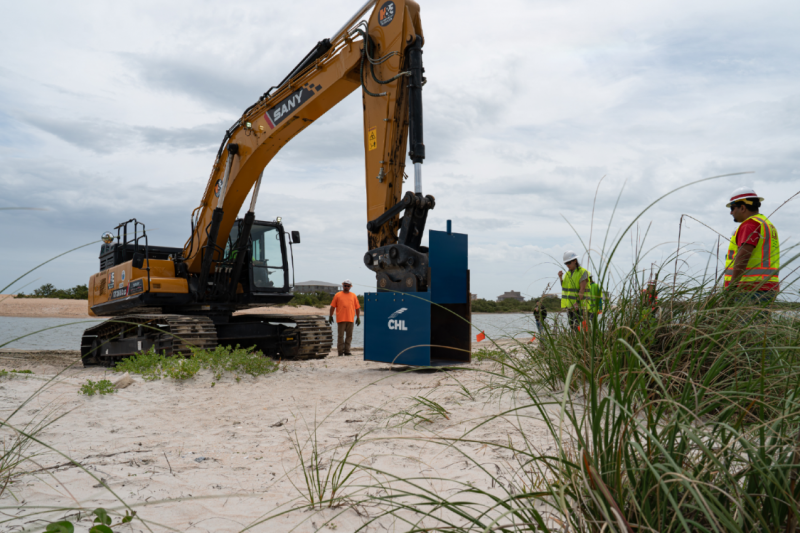
Natural dunes are a powerful tool for coastal resilience – offering the ability to absorb wave energy, reduce flooding and prevent erosion. However, coastal engineers need more knowledge about their unique dynamics to fully harness their potential. To boost this understanding, an ERDC team relocated a live dune segment from a Florida beach to a…

Read More

Resources: #79: Dune Extraction

Natural dunes are a powerful tool for coastal resilience, but engineers need more knowledge about their unique dynamics to fully harness their potential. Listen to Episode 79 to learn more about an innovative ERDC research project that relocated a live dune segment from a Florida beach to a Mississippi laboratory to study the ecological drivers of…

Read More

Video: #79: Dune Extraction

https://www.youtube.com/watch?v=56vgwESrULg Natural dunes are a powerful tool for coastal resilience – offering the ability to absorb wave energy, reduce flooding and prevent erosion. However, coastal engineers need more knowledge about their unique dynamics to fully harness their potential. To boost this understanding, an ERDC team relocated a live dune segment from a Florida beach to…

Read More

#79: Dune in the Flume: ERDC team relocates natural structure to laboratory to study dynamics

Natural dunes are a powerful tool for coastal resilience – offering the ability to absorb wave energy, reduce flooding and prevent erosion. However, coastal engineers need more knowledge about their unique dynamics to fully harness their potential. To boost this understanding, an ERDC team relocated a live dune segment from a Florida beach to a…

Read More

#77: Technical Exchange: ERDC researcher to study flood mitigation strategies in Japan

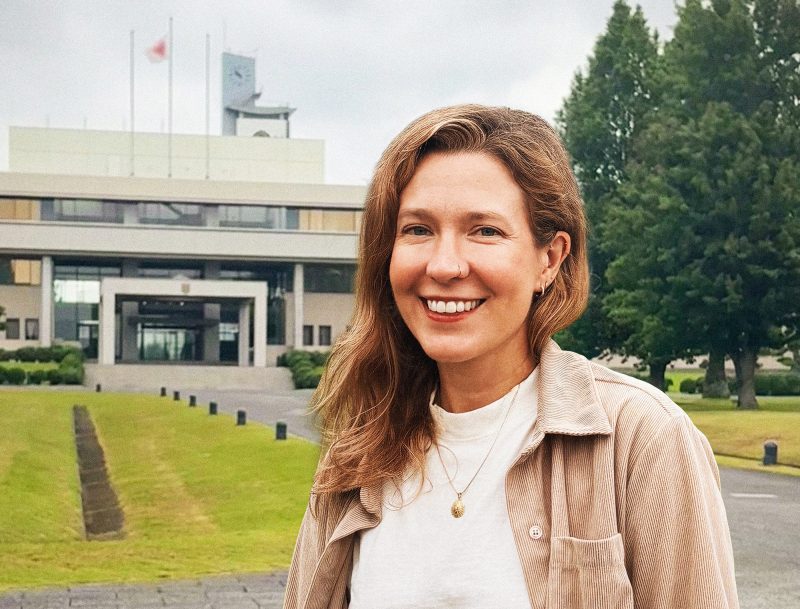
Extreme weather events are not unique to the United States. That is why an ERDC researcher will be traveling to Japan to study with experts there and collaborate on strategies that can reduce flood risk in both nations. Dr. Amanda Tritinger, a research civil engineer at ERDC’s Coastal and Hydraulics Laboratory, was recently selected for…

Read More

Video: #77: Studying flood mitigation strategies in Japan

https://www.youtube.com/watch?v=vEi-04sMRBk Extreme weather events are not unique to the United States. That is why an ERDC researcher will be traveling to Japan to study with experts there and collaborate on strategies that can reduce flood risk in both nations. Dr. Amanda Tritinger, a research civil engineer at ERDC’s Coastal and Hydraulics Laboratory, was recently selected…

Read More

#77: Technical Exchange: ERDC researcher to study flood mitigation strategies in Japan

Extreme weather events are not unique to the United States. That is why an ERDC researcher will be traveling to Japan to study with experts there and collaborate on strategies that can reduce flood risk in both nations. Dr. Amanda Tritinger, a research civil engineer at ERDC’s Coastal and Hydraulics Laboratory, was recently selected for…

Read More

Resources: #77: Studying flood mitigation strategies in Japan

Extreme weather events are not unique to the United States. That’s why an ERDC researcher will be traveling to Japan to study with experts there and collaborate on strategies that can reduce flood risk in both nations. Listen to episode 77 to learn more about the research Dr. Amanda Tritinger will be conducting in Japan…

Read More

#74: High-Tech Hide and Seek: Innovative testbed pushes underwater UXO detection technology to its limits

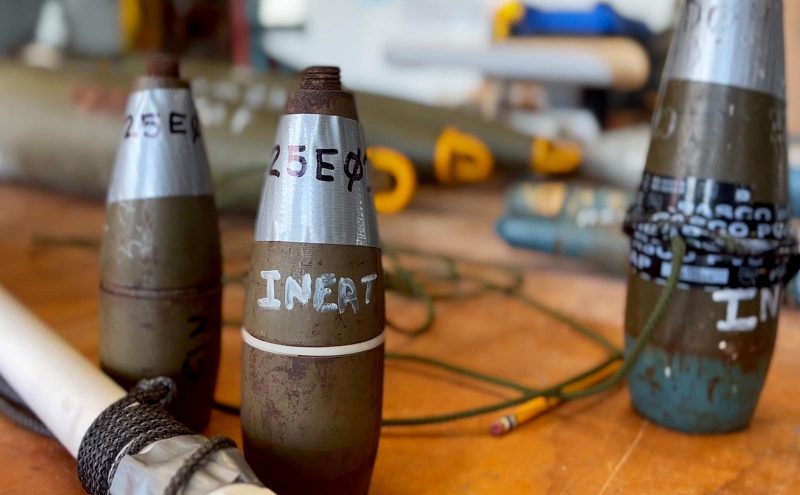
Across the country, coastal waters at Formerly Used Defense Sites (FUDS) potentially contain unexploded ordnance. Finding, identifying, characterizing and, when necessary, safely clearing these munitions in shallow-water environments presents an immense challenge. Cutting-edge robotic systems equipped with advanced sensors, acoustics and precision mapping tools hold potential to locate these hazards. However, these technologies must first…

Read More

Video: #74: Underwater UXO testbed

https://www.youtube.com/watch?v=Rv7sD6VRZIg Across the country, coastal waters at Formerly Used Defense Sites (FUDS) potentially contain unexploded ordnance. Finding, identifying, characterizing and, when necessary, safely clearing these munitions in shallow-water environments presents an immense challenge. Cutting-edge robotic systems equipped with advanced sensors, acoustics and precision mapping tools hold potential to locate these hazards. However, these technologies must…

Read More