Construction Engineering Research Laboratory

#44: Frontline Robotics: Enabling safer execution of one of the Army’s most dangerous tasks

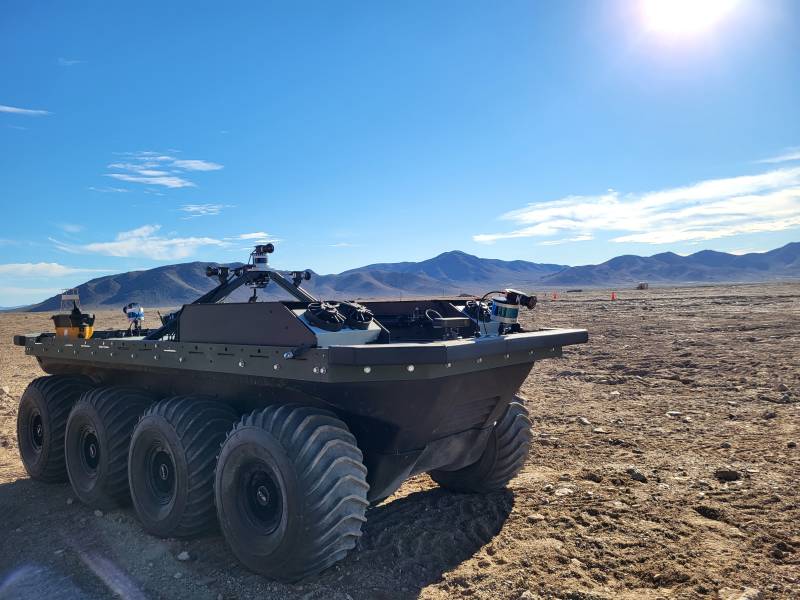
Combat engineers perform some of the military’s most dangerous duties, from breaching obstacles and clearing minefields to constructing front-line defensive positions while under enemy assault. ERDC’s Robotics for Engineer Operations – or REO – program is helping them do so safely. REO develops robotic capabilities that allow combat engineers to operate from safe standoff distances….

Read More

Video: #44: Robotics for Engineer Operations

https://www.youtube.com/watch?v=sBMZV-ICZ8E Video: #44: Robotics for Engineer Operations Combat engineers perform some of the military’s most dangerous duties, from breaching obstacles and clearing minefields to constructing front-line defensive positions while under enemy assault. ERDC’s Robotics for Engineer Operations – or REO — program is helping them do so safely. REO develops robotic capabilities that allow combat…

Read More

Podcast Resources: #44: Robotics for Engineer Operations

ERDC’s Robotics for Engineer Operations program develops robotic capabilities that allow combat engineers to perform dangerous tasks, such as clearing minefields, breaching obstacles and digging defensive positions without exposing themselves to danger. Listen to the podcast with Dr. Ahmet Soylemezoglu discussing REO: PowerofERDCpodcast.org/44-REO. Watch the video of the interview: PowerofERDCpodcast.org/44-REO_video For inquiries about REO, email ERDCinfo@usace.army.mil….

Read More

#44: Frontline Robotics: Enabling safer execution of one of the Army’s most dangerous tasks

Combat engineers perform some of the military’s most dangerous duties, from breaching obstacles and clearing minefields to constructing front-line defensive positions while under enemy assault. ERDC’s Robotics for Engineer Operations – or REO – program is helping them do so safely. REO develops robotic capabilities that allow combat engineers to operate from safe standoff distances….

Read More

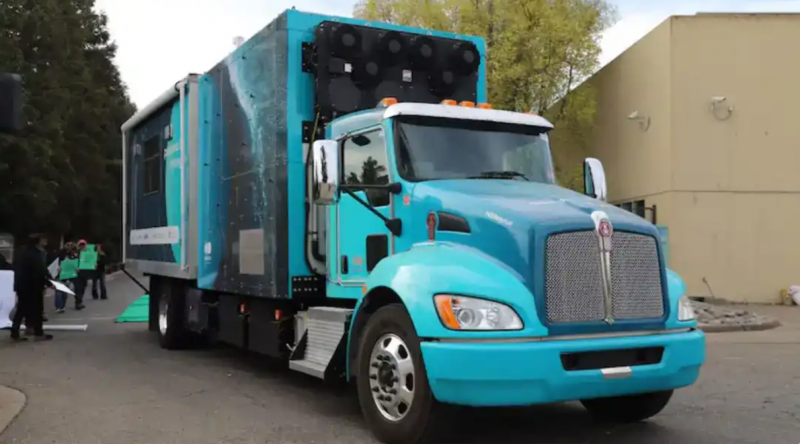
#38: H2Rescue: Providing Power, Water and World Records

Roughly the distance from New York to Miami – or 1,806 miles. That’s how far a vehicle, developed in part by ERDC, drove on one tank of hydrogen fuel to not only set a mark honored by the Guinness Book of World Records, but also to advance new and existing hydrogen-powered technologies. In this episode,…

Read More

Podcast Resources: #38: H2Rescue

A team at ERDC’s Construction Engineering Research Laboratory; along with a long list of federal, military and industrial partners; developed the H2Rescue Vehicle to fill a gap in our nation’s ability to respond to man-made and natural disasters. Listen to the podcast with ERDC’s Nick Josefik, a lead in the vehicle’s development: PowerofERDCpodcast.org/38-h2-rescue-vehicle Watch a…

Read More

Video: #38: H2Rescue

https://www.youtube.com/watch?v=m2njOEaTg34 Roughly the distance from New York to Miami – or 1,806 miles. That’s how far a vehicle, developed in part by ERDC, drove on one tank of hydrogen fuel to not only set a mark honored by the Guinness Book of World Records, but also to advance new and existing hydrogen-powered technologies. In this…

Read More

#38: H2Rescue: Providing Power, Water and World Records

Roughly the distance from New York to Miami – or 1,806 miles. That’s how far a vehicle, developed in part by ERDC, drove on one tank of hydrogen fuel to not only set a mark honored by the Guinness Book of World Records, but also to advance new and existing hydrogen-powered technologies. In this episode,…

Read More

#20: Operational Energy

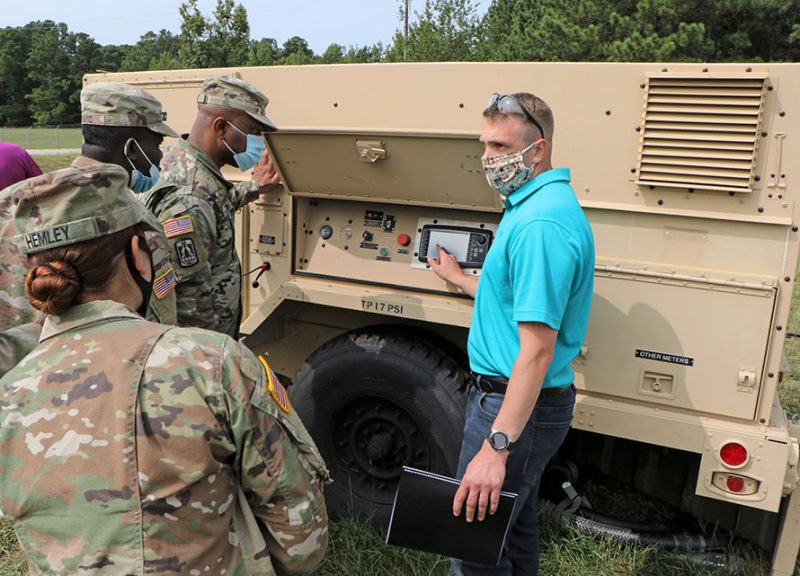
Military operations require large amounts of energy to train, move and sustain forces, as well as to power weapons platforms – and this is known as operational energy. Given the high human toll and financial cost of supplying this energy to frontline forces, new strategies are seeking to electrify the battlefield and reduce the reliance…

Read More

#12: Structural Health Monitoring

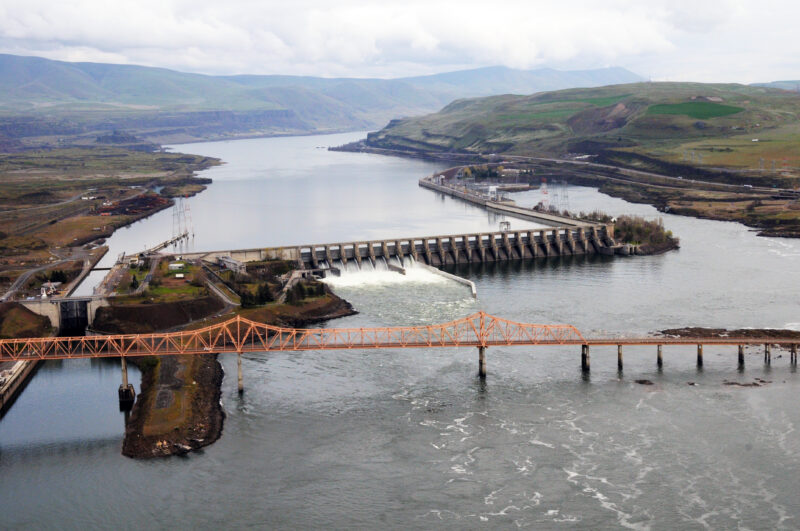
Given the aging condition and economic importance of much of the nation’s navigation infrastructure, asset managers need accurate and real-time information on the conditions of structures operating well beyond their expected design lives. However, visual inspections of structures like locks and dams are often difficult and expensive. ERDC is filling this void with a broad…

Read More