EL

#34: Underwater ROV: Making aquatic infrastructure inspection safer, cost-effective

The U.S. Army Corps of Engineers (USACE) manages hundreds of locks and dams, which are critical components of a complex navigation system that is central to our nation’s economy and security. Inspecting this aging aquatic infrastructure often requires costly and dangerous processes, such as deploying divers or dewatering structures, halting the flow of goods and…

Read More

#34: Underwater ROV: Making aquatic infrastructure inspection safer, cost-effective

The U.S. Army Corps of Engineers (USACE) manages hundreds of locks and dams, which are critical components of a complex navigation system that is central to our nation’s economy and security. Inspecting this aging aquatic infrastructure often requires costly and dangerous processes, such as deploying divers or dewatering structures, halting the flow of goods and…

Read More

Video: #34: Underwater ROV

The U.S. Army Corps of Engineers (USACE) manages hundreds of locks and dams, which are critical components of a complex navigation system that is central to our nation’s economy and security. Inspecting this aging aquatic infrastructure often requires costly and dangerous processes, such as deploying divers or dewatering structures, halting the flow of goods and…

Read More

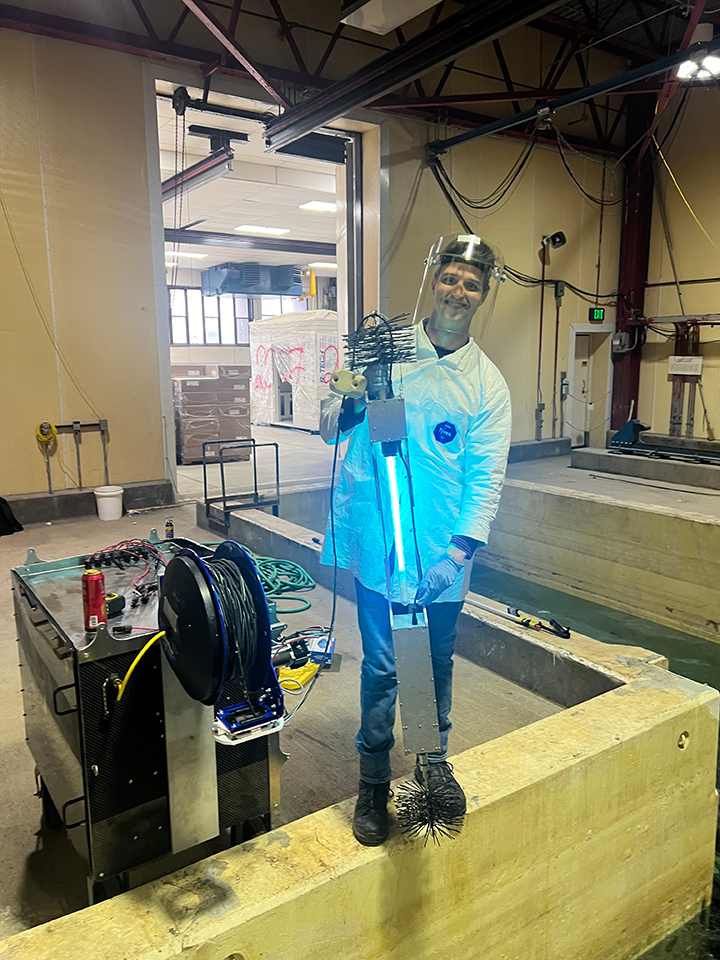
#31: Wellbot: An innovative system to maintain relief wells

The nation’s levees and dams depend upon relief wells to alleviate underground pressure when water levels are high. However, microorganisms and natural chemicals in the water gradually leave a residue that clogs the wells’ porous screen walls, reducing their practical value and increasing the risk of dam or levee failure. Existing maintenance methods are costly,…

Read More

#31: Wellbot: An innovative system to maintain relief wells

The nation’s levees and dams depend upon relief wells to alleviate underground pressure when water levels are high. However, microorganisms and natural chemicals in the water gradually leave a residue that clogs the wells’ porous screen walls, reducing their practical value and increasing the risk of dam or levee failure. Existing maintenance methods are costly,…

Read More

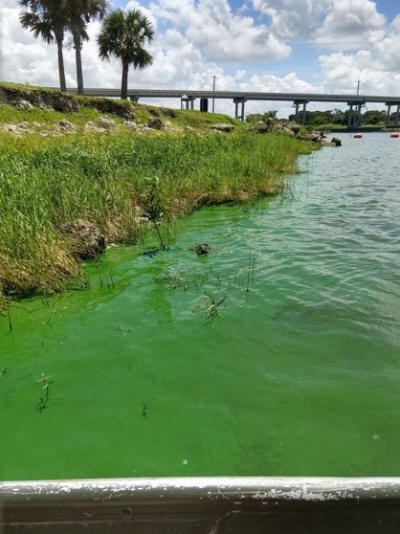
#7: Harmful Algal Blooms

Harmful algal blooms occur in freshwater when aquatic microorganisms, called cyanobacteria, grow rapidly and sometimes release toxins that are dangerous to humans and aquatic life. Such events have been known to compromise drinking water reservoirs, disrupt recreation, shut down fisheries, and kill fish, birds and other aquatic species. And scientists largely agree that these events…

Read More