machine learning

#39: Global Forest Modeling Toolkit: Mission-critical intelligence about vegetation around the world

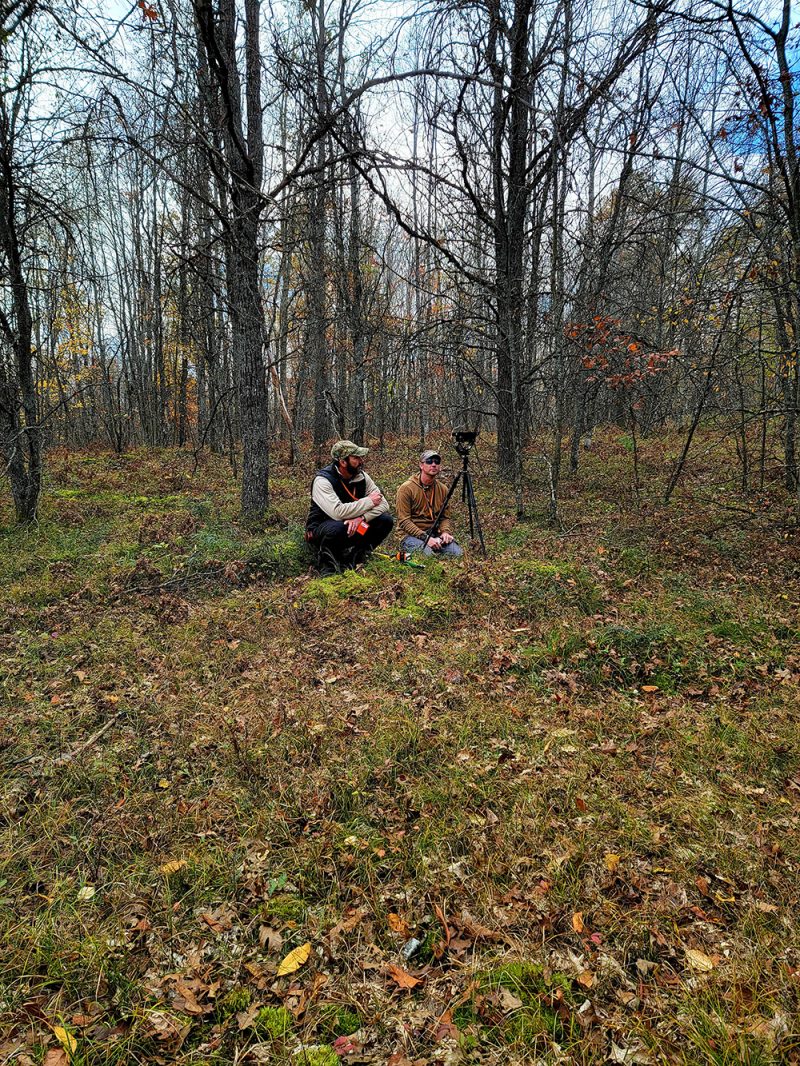
Forests cover nearly a third of the Earth’s land surface and present multiple challenges to military forces. Dense trees restrict mobility, limit surveillance, impede air support and degrade communication. But not all forests are the same. To best counter these difficulties, leaders need detailed information about vegetation attributes, such as canopy cover, stem diameter and…

Read More

Video: #39: Global Forest Modeling Toolkit

https://www.youtube.com/watch?v=9lzrnJcOFwQ Forests cover nearly a third of the Earth’s land surface and present multiple challenges to military forces. Dense trees restrict mobility, limit surveillance, impede air support and degrade communication. But not all forests are the same. To best counter these difficulties, leaders need detailed information about vegetation attributes, such as canopy cover, stem diameter…

Read More

Podcast Resources: #39: Global Forest Modeling Toolkit

ERDC’s Forest Ecosystems Dynamics team developed the Global Forest Modeling Toolkit, which applies artificial intelligence and high-performance computing to provide detailed vegetation attributes of forests around the world. Listen to the podcast with ERDC’s Dr. Nathan Beane: PowerofERDCpodcast.org/39-global-forest-modeling Watch a video of the podcast: PowerofERDCpodcast.org/39-global-forest-modeling_video For inquiries about ERDC’s Global Forest Modeling Toolkit, email ERDCinfo@usace.army.mil During…

Read More

#39: Global Forest Modeling Toolkit: Mission-critical intelligence about vegetation around the world

Forests cover nearly a third of the Earth’s land surface and present multiple challenges to military forces. Dense trees restrict mobility, limit surveillance, impede air support and degrade communication. But not all forests are the same. To best counter these difficulties, leaders need detailed information about vegetation attributes, such as canopy cover, stem diameter and…

Read More

#21: Enhanced Terrain Processing

Soldiers are often forced to operate using outdated geospatial data that may not accurately represent current ground conditions. This creates challenges when trying to find the best possible routes for troop maneuvers or when selecting helicopter landing zones. The U.S. Army Engineer Research and Development Center (ERDC) is developing a series of tools to solve…

Read More

#21: Enhanced Terrain Processing

Soldiers are often forced to operate using outdated geospatial data that may not accurately represent current ground conditions. This creates challenges when trying to find the best possible routes for troop maneuvers or when selecting helicopter landing zones. The U.S. Army Engineer Research and Development Center (ERDC) is developing a series of tools to solve…

Read More

#12: Structural Health Monitoring

Given the aging condition and economic importance of much of the nation’s navigation infrastructure, asset managers need accurate and real-time information on the conditions of structures operating well beyond their expected design lives. However, visual inspections of structures like locks and dams are often difficult and expensive. ERDC is filling this void with a broad…

Read More

#12: Structural Health Monitoring

Given the aging condition and economic importance of much of the nation’s navigation infrastructure, asset managers need accurate and real-time information on the conditions of structures operating well beyond their expected design lives. However, visual inspections of structures like locks and dams are often difficult and expensive. ERDC is filling this void with a broad…

Read More

#8: Modeling and Simulation for Unmanned Ground Vehicles

Unmanned ground vehicles carry great potential for the Armed Forces, but before these systems can be deployed, they must undergo rigorous testing to ensure their autonomy can be trusted in difficult conditions. Since the early 2000s, ERDC has assisted this process by developing a suite of modeling and simulation tools that explore how autonomous systems…

Read More

#8: Modeling and Simulation for Unmanned Ground Vehicles

Unmanned ground vehicles carry great potential for the Armed Forces, but before these systems can be deployed, they must undergo rigorous testing to ensure their autonomy can be trusted in difficult conditions. Since the early 2000s, ERDC has assisted this process by developing a suite of modeling and simulation tools that explore how autonomous systems…

Read More