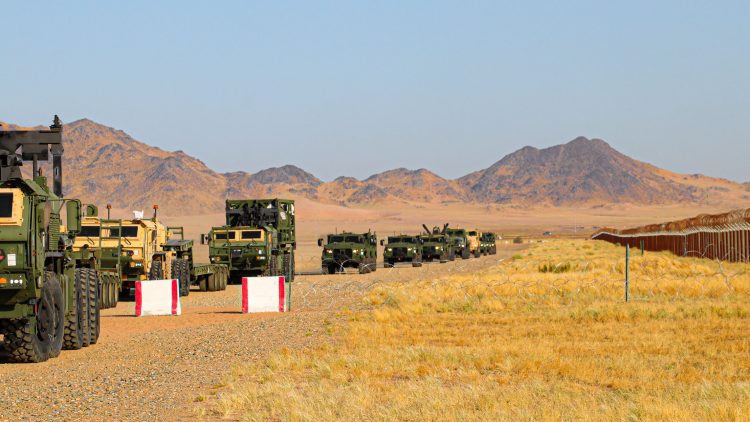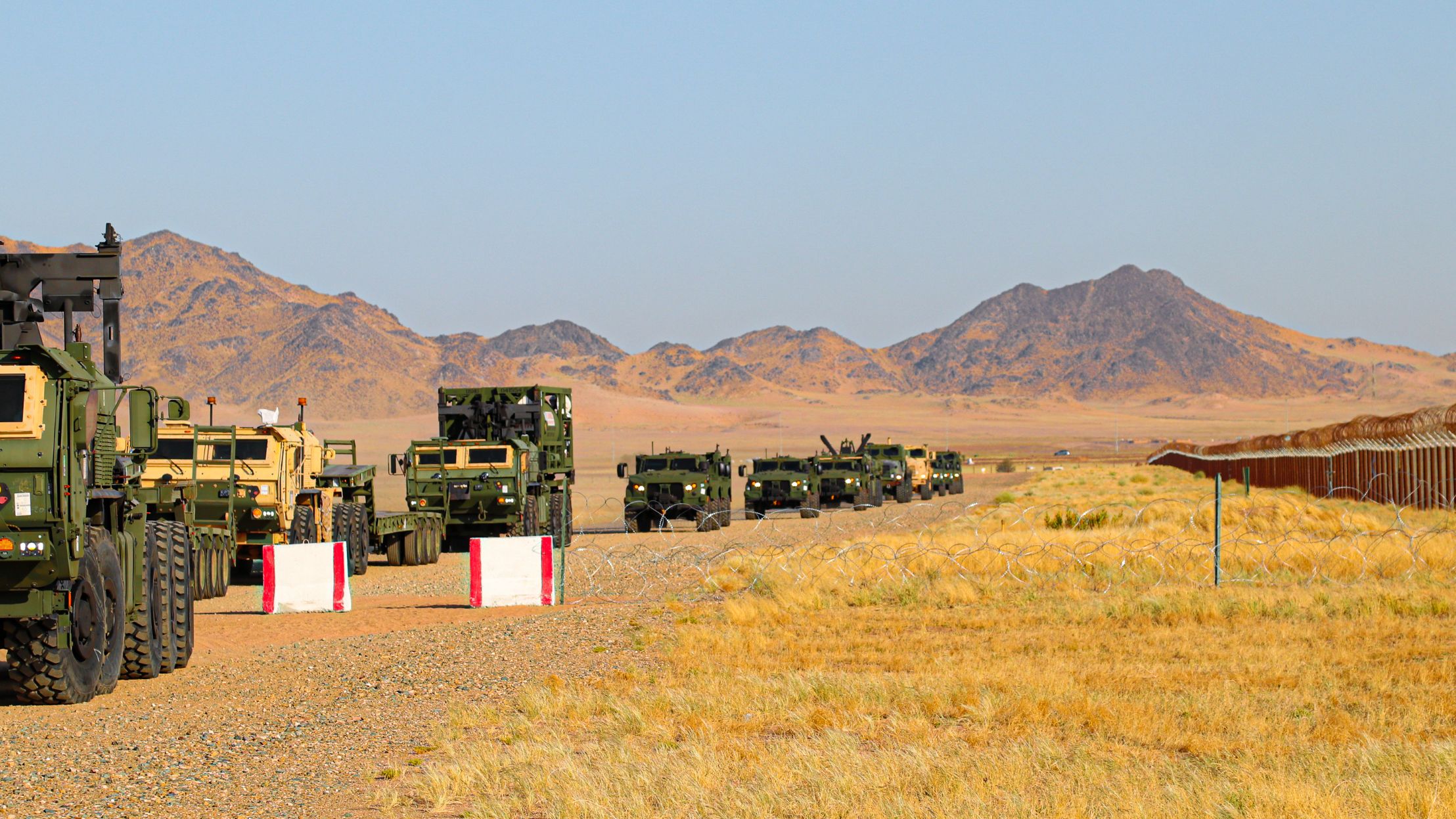
In contested environments, the ability to move people, equipment and supplies depends on more than finding the shortest route.
Dr. Danielle Whitlow, a research civil engineer at ERDC’s Geotechnical and Structures Laboratory, is helping develop decision support tools that bring engineering analysis into tactical logistics and maneuver planning. Her work focuses on helping planners understand how roads, rail, inland waterways, terrain, weather and infrastructure constraints affect movement in complex operating environments.
Through Engineer Enablers, Whitlow and her team are advancing tools such as the Planning Logistics Analysis Network System (PLANS) and the Worldwide Gap Analysis Program (WGAP). PLANS supports multi-route and multimodal route analysis by helping users evaluate route viability, mobility constraints, road degradation and environmental factors. WGAP builds on that foundation by supporting faster identification of feasible locations and timing for dispersed gap crossings.
Whitlow explains how ERDC is turning engineering expertise into decision support for non-expert users, how PLANS helps planners compare multiple routes and reduce vulnerabilities, and how WGAP could help automate complex site selection for gap crossings. Topics discussed include the challenge of distributed routing in contested environments (3:26), how PLANS incorporates engineer-informed constraints into route planning (4:51), lessons learned from the PLANS training and demonstration (8:18), and how these tools could support humanitarian assistance and disaster response (14:44).
Listen to an audio version at PowerofERDCPodcast.org/67-mapping-movement-contested-terrain-plans-wgap.
For more information or to request to view a demo of these tools, email ERDCinfo@usace.army.mil.