The Moose Creek Dam is a 7.5-mile-long earthen dam that protects Fairbanks and North Pole, Alaska, from flooding by regulating the Chena River.
Observations during the summer of 2014 revealed more than 1,000 small sand boils, which had the potential to compromise the dam. This discovery emphasized the need to closely monitor groundwater levels around the dam. Until recently, these conditions were tracked through periodic hand measurements, a method that left gaps between readings during which changing conditions could go unnoticed.
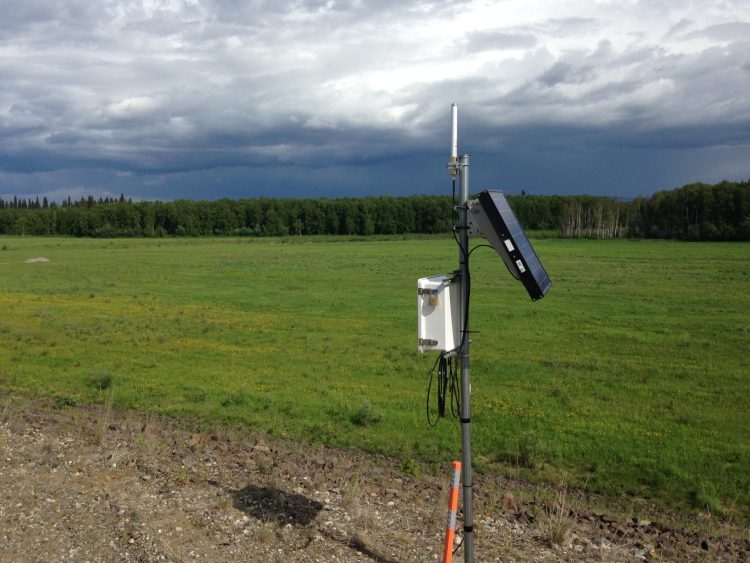
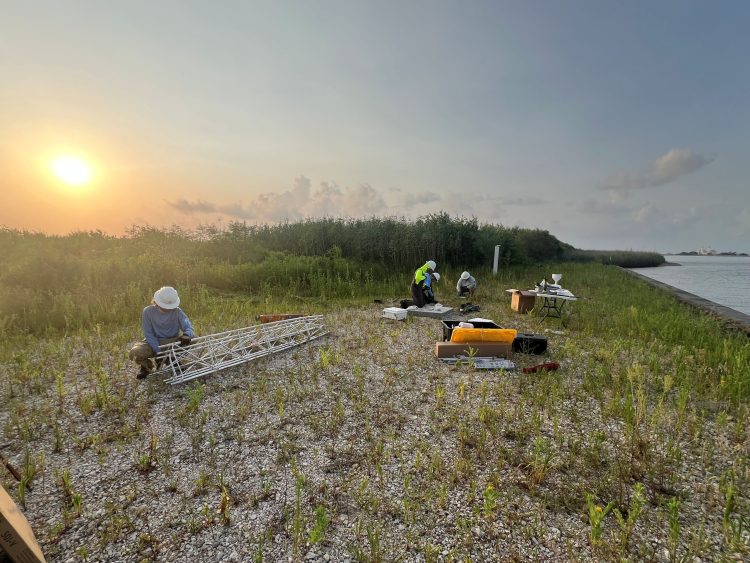
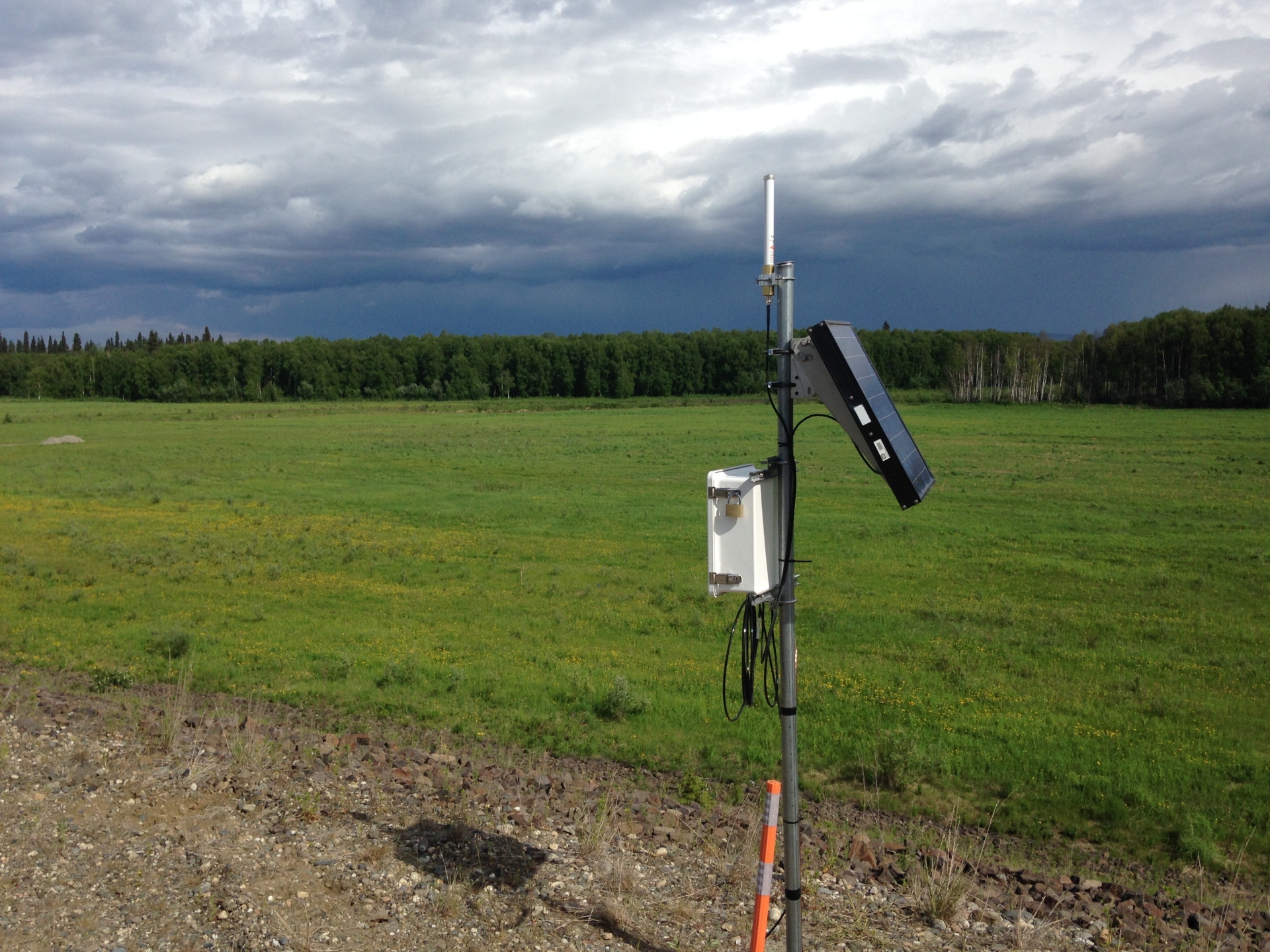
In response, an ERDC team has completed a five-year effort to install and integrate 182 sensors along the length of the dam, allowing engineers to continually and remotely monitor dam conditions.
We discuss this effort with Art Gelvin and Matt Fort. Art is an engineering technician at ERDC’s Cold Regions Research and Engineering Laboratory (CRREL) and is the lead for the Moose Creek Dam sensor project. Matt is a physical science technician at CRREL.
Topics include the history of Moose Creek Dam (1:58) and why monitoring it matters (5:26), how the effort to install sensors along the dam began and how it evolved (7:11), and the significance of adding video cameras to complement the sensors (11:16). We also talked about the impact of having remote, real-time access to Moose Creek conditions (19:17) and next steps (33:11).
For more information, visit PowerofERDCPodcast.org/83-moose-creek-sensors_resources. Watch a video of this episode at PowerofERDCPodcast.org/83-moose-creek-sensors_video.
Podcast: Play in new window | Download