Coastal Engineering

#69: Sizing Up Sand: National project to chart grain size will improve beach management

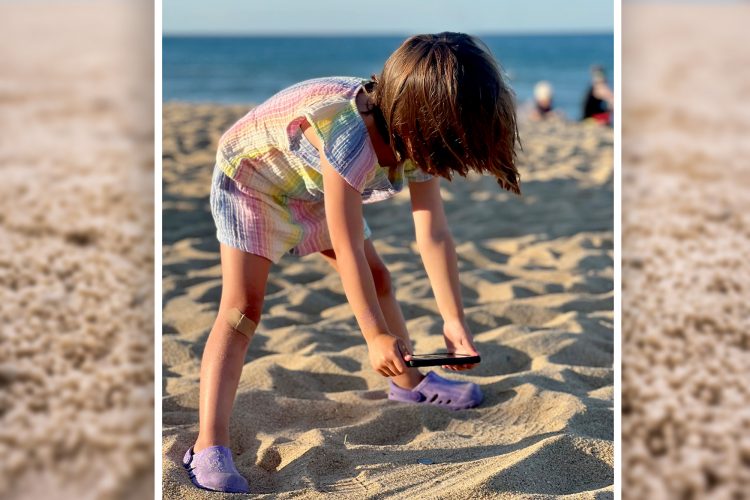
Have you ever wondered about the size of individual grains of sand at your favorite beach? Coastal engineers and scientists have. Knowing the range of sand grain sizes on a given beach can inform multiple coastal applications from designing robust beaches for flood risk management to beneficially using dredged sediment. However, collecting that information across…

Read More

Resources: #69: SandSnap 2.0

https://www.youtube.com/watch?v=pPk2PSFNWeY&authuser=0 ERDC launched SandSnap to build a national database of sand-grain size, filling a critical knowledge gap that will enable better beach management. Listen to episode 69 to learn more about SandSnap’s latest advancements and how it is making our coastlines more resilient to storms. You can also watch a video of the episode. MORE…

Read More

Video: #69: SandSnap 2.0

https://www.youtube.com/watch?v=juTq5FKG7cw Have you ever wondered about the size of individual grains of sand at your favorite beach? Coastal engineers and scientists have. Knowing the range of sand grain sizes on a given beach can inform multiple coastal applications from designing robust beaches for flood risk management to beneficially using dredged sediment. However, collecting that information…

Read More

#69: Sizing Up Sand: National project to chart grain size will improve beach management

Have you ever wondered about the size of individual grains of sand at your favorite beach? Coastal engineers and scientists have. Knowing the range of sand grain sizes on a given beach can inform multiple coastal applications from designing robust beaches for flood risk management to beneficially using dredged sediment. However, collecting that information across…

Read More

#68: Navigating the Dangerous & Chaotic: Surf observation science supports military’s critical amphibious operations

Sitting on the beach and watching the waves is something many of us envision as a dream vacation. But for a group of Marines and Sailors, observing and counting those waves — while estimating the speed and direction of the currents — is a critical mission. It is a manual, time-consuming process that carries inherent…

Read More

Video: #68: Surf Observation

https://www.youtube.com/watch?v=_qQS_kmoYxM Sitting on the beach and watching the waves is something many of us envision as a dream vacation. But for a group of Marines and Sailors, observing and counting those waves — while estimating the speed and direction of the currents — is a critical mission. It is a manual, time-consuming process that carries…

Read More

#68: Navigating the Dangerous & Chaotic: Surf observation science supports military’s critical amphibious operations

Sitting on the beach and watching the waves is something many of us envision as a dream vacation. But for a group of Marines and Sailors, observing and counting those waves — while estimating the speed and direction of the currents — is a critical mission. It is a manual, time-consuming process that carries inherent…

Read More

#52: Decades of Coastal Data is a ‘National Treasure’

Mike Forte, a research physical scientist at ERDC’s Field Research Facility (FRF) in Duck, North Carolina, calls himself and his team “custodians” of the data continuously collected at the research facility. The team’s care for the data, collection methods and validation and preparation efforts have made this data a national treasure. Decades of data sets from constant observation…

Read More

Resources: #52: FRF data is a national treasure

At ERDC’s Field Research Facility (FRF), more than four decades of continuous coastal measurements have created a significant archive of nearshore conditions, a dataset that is a treasure trove for engineers and scientists around the world. The data, collected through a cadre of sensors throughout the beach, surf zone and beyond, is carefully managed and…

Read More

Video: #52: FRF data is a national treasure

https://www.youtube.com/watch?v=O57riXNJMuU Mike Forte, a research physical scientist at ERDC’s Field Research Facility (FRF) in Duck, North Carolina, calls himself and his team “custodians” of the data continuously collected at the research facility. The team’s care for the data, collection methods and validation and preparation efforts have made this data a national treasure. Decades of data sets from constant…

Read More