innovation

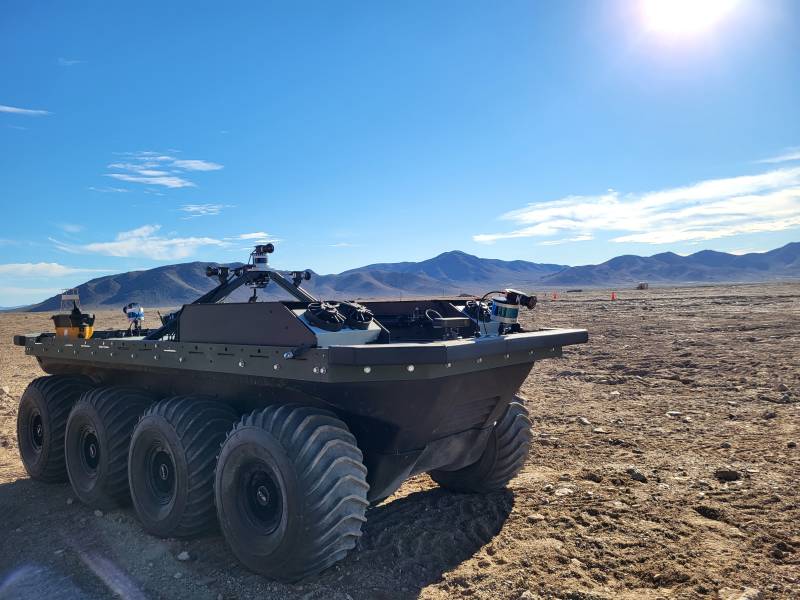
#44: Frontline Robotics: Enabling safer execution of one of the Army’s most dangerous tasks

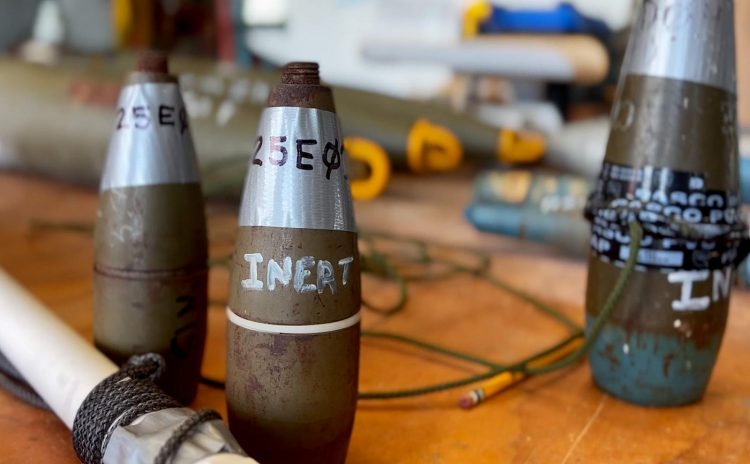
Combat engineers perform some of the military’s most dangerous duties, from breaching obstacles and clearing minefields to constructing front-line defensive positions while under enemy assault. ERDC’s Robotics for Engineer Operations – or REO – program is helping them do so safely. REO develops robotic capabilities that allow combat engineers to operate from safe standoff distances….

Read More

Podcast Resources: #42: Artificial Intelligence

On episode 42 of the Power of ERDC podcast, Dr. Robert Moser, director of ERDC’s Information Technology Laboratory, discusses how ERDC is developing AI tools, techniques and technologies into tangible, mission-ready solutions for the nation. LEARN MORE: ERDC, USACE use AI to help build new online resource library for field staff CLARITY effort aims to…

Read More

#42 Constructing AI’s Future

Artificial intelligence is no longer science fiction. Today, AI is powering critical processes across the Department of War and serving as a force multiplier throughout the U.S. Army Corps of Engineers’ military and civil works portfolios. In this episode of the Power of ERDC podcast, Dr. Robert Moser, director of ERDC’s Information Technology Laboratory, discusses…

Read More

Video: #42: Artificial Intelligence

https://www.youtube.com/watch?v=KSf0GQQEXa8 Artificial intelligence is no longer science fiction. Today, AI is powering critical processes across the Department of War and serving as a force multiplier throughout the U.S. Army Corps of Engineers’ military and civil works portfolios. In this episode of the Power of ERDC podcast, Dr. Robert Moser, director of ERDC’s Information Technology Laboratory,…

Read More

#42 Constructing AI’s Future

Artificial intelligence is no longer science fiction. Today, AI is powering critical processes across the Department of War and serving as a force multiplier throughout the U.S. Army Corps of Engineers’ military and civil works portfolios. In this episode of the Power of ERDC podcast, Dr. Robert Moser, director of ERDC’s Information Technology Laboratory, discusses…

Read More

#41: Antarctic Expertise: ‘Explorer’ has helped shape, advance cold regions engineering

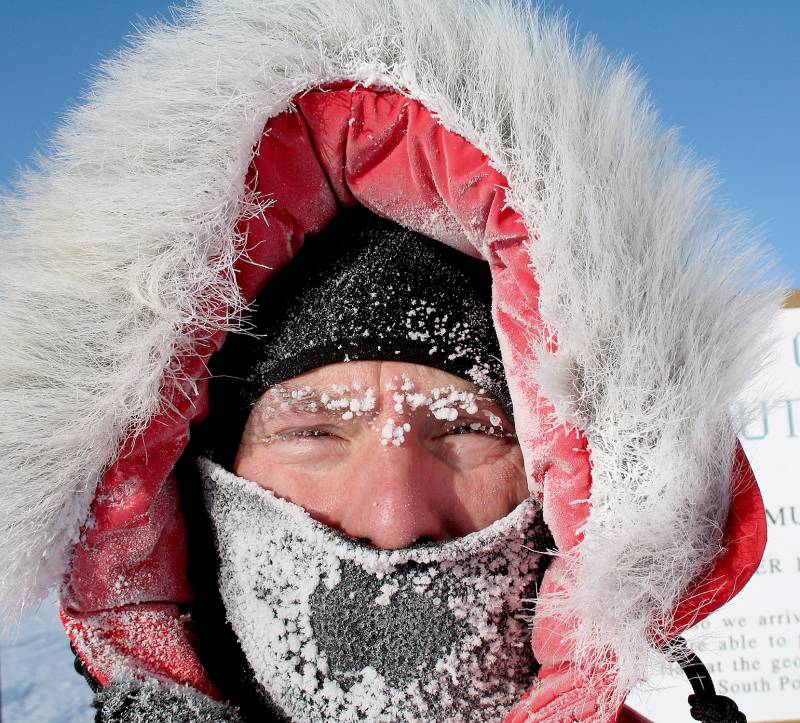
George Blaisdell’s career is one for the record books. His contributions to engineering in one of the world’s most inhospitable environments are legendary, but for a man with more than 30 trips to Antarctica, the work is far from over. Today’s guest is Blaisdell, a research civil engineer with ERDC’s Cold Regions Research and Engineering…

Read More

Podcast Resources: #41: Antarctic Expertise

George Blaisdell, a research civil engineering with ERDC’s Cold Regions Research and Engineering Laboratory, has traveled to Antarctica more than 30 times, conducting critical research that has advanced cold regions engineering. After time with the National Science Foundation, Blaisdell has returned to ERDC to continue his work and exploration of the southern continent. Listen to…

Read More

Video: #41: Antarctic Expertise

https://www.youtube.com/watch?v=DfCGuTVytBo George Blaisdell’s career is one for the record books. His contributions to engineering in one of the world’s most inhospitable environments are legendary, but for a man with more than 30 trips to Antarctica, the work is far from over. Today’s guest is Blaisdell, a research civil engineer with ERDC’s Cold Regions Research and…

Read More

#41: Antarctic Expertise: ‘Explorer’ has helped shape, advance cold regions engineering

George Blaisdell’s career is one for the record books. His contributions to engineering in one of the world’s most inhospitable environments are legendary, but for a man with more than 30 trips to Antarctica, the work is far from over. Today’s guest is Blaisdell, a research civil engineer with ERDC’s Cold Regions Research and Engineering…

Read More

#39: Global Forest Modeling Toolkit: Mission-critical intelligence about vegetation around the world

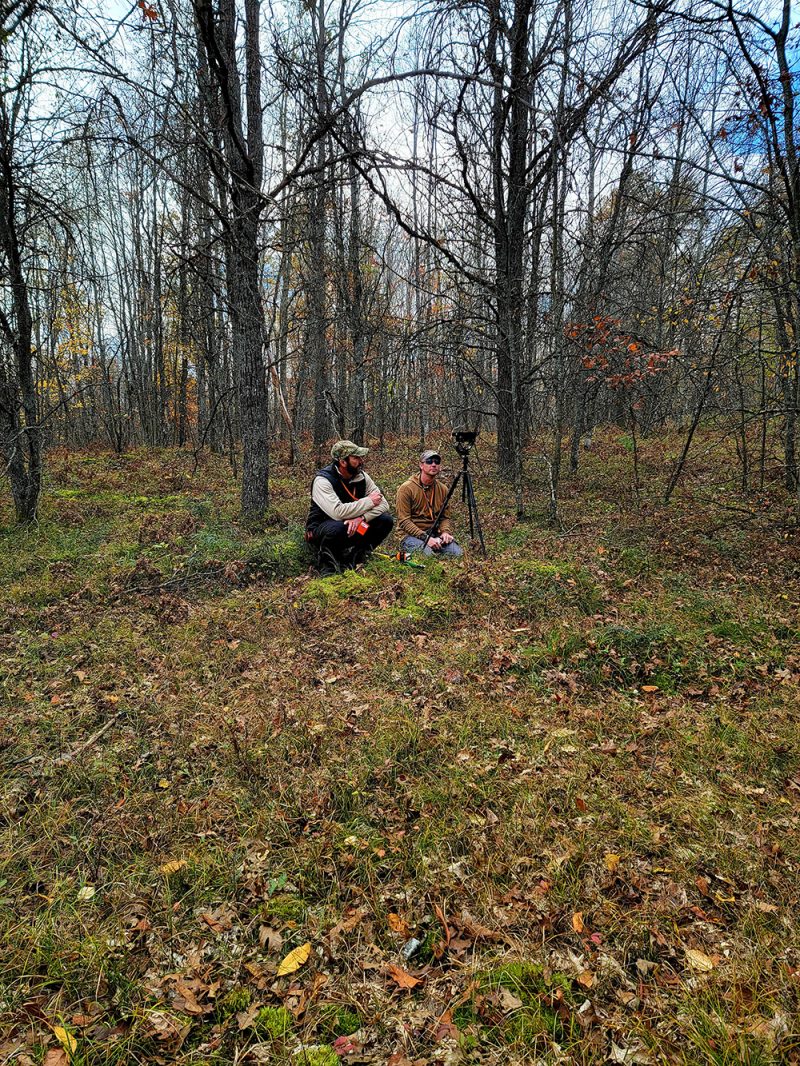
Forests cover nearly a third of the Earth’s land surface and present multiple challenges to military forces. Dense trees restrict mobility, limit surveillance, impede air support and degrade communication. But not all forests are the same. To best counter these difficulties, leaders need detailed information about vegetation attributes, such as canopy cover, stem diameter and…

Read More