research

#42 Constructing AI’s Future

Artificial intelligence is no longer science fiction. Today, AI is powering critical processes across the Department of War and serving as a force multiplier throughout the U.S. Army Corps of Engineers’ military and civil works portfolios. In this episode of the Power of ERDC podcast, Dr. Robert Moser, director of ERDC’s Information Technology Laboratory, discusses…

Read More

Podcast Resources: #42: Artificial Intelligence

On episode 42 of the Power of ERDC podcast, Dr. Robert Moser, director of ERDC’s Information Technology Laboratory, discusses how ERDC is developing AI tools, techniques and technologies into tangible, mission-ready solutions for the nation. LEARN MORE: ERDC, USACE use AI to help build new online resource library for field staff CLARITY effort aims to…

Read More

Video: #42: Artificial Intelligence

https://www.youtube.com/watch?v=KSf0GQQEXa8 Artificial intelligence is no longer science fiction. Today, AI is powering critical processes across the Department of War and serving as a force multiplier throughout the U.S. Army Corps of Engineers’ military and civil works portfolios. In this episode of the Power of ERDC podcast, Dr. Robert Moser, director of ERDC’s Information Technology Laboratory,…

Read More

#42 Constructing AI’s Future

Artificial intelligence is no longer science fiction. Today, AI is powering critical processes across the Department of War and serving as a force multiplier throughout the U.S. Army Corps of Engineers’ military and civil works portfolios. In this episode of the Power of ERDC podcast, Dr. Robert Moser, director of ERDC’s Information Technology Laboratory, discusses…

Read More

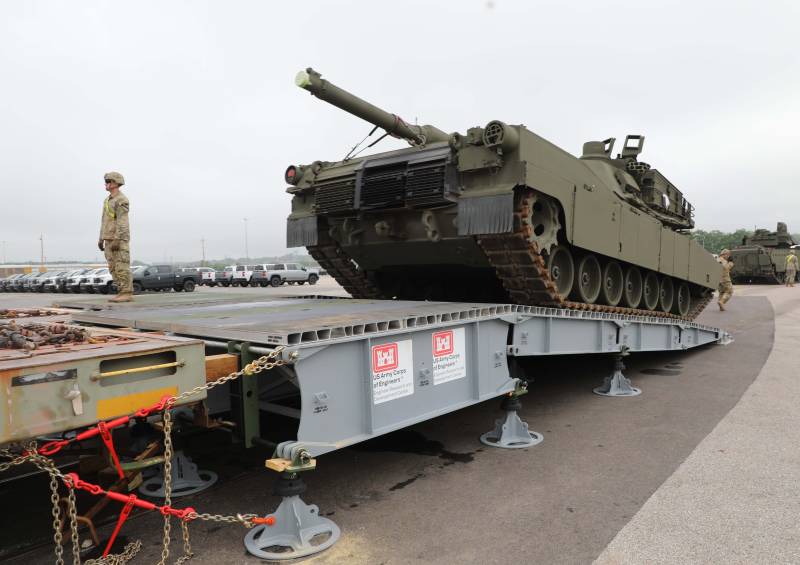
#33: PODS and RAIL: Versatile ramp system aids expedient deployment of military equipment

ERDC and the U.S. Army Combat Capabilities Development Command Ground Vehicle Systems Center (GVSC) collaborated in 2016 to develop a transportable ramp system that could be used to rapidly restore a damaged pier. The components from the Pier Over-Decking System (PODS) were later redeveloped into the Rapidly Available Interface for trans-Loading (RAIL) system, which can be used…

Read More

Video: #33: PODS and RAIL

https://www.youtube.com/watch?v=S9zcCgFL07U ERDC and the U.S. Army Combat Capabilities Development Command Ground Vehicle Systems Center (GVSC) collaborated in 2016 to develop a transportable ramp system that could be used to rapidly restore a damaged pier. The components from the Pier Over-Decking System (PODS) were later redeveloped into the Rapidly Available Interface for trans-Loading (RAIL) system, which can be…

Read More

Podcast Resources: #33: PODS and RAIL

ERDC and the U.S. Army Combat Capabilities Development Command Ground Vehicle Systems Center collaborated in 2016 to develop a transportable ramp system that could be used to rapidly restore a damaged pier.  The components from the Pier Over-Decking System (PODS) were later redeveloped into the Rapidly Available Interface for trans-Loading (RAIL) system, which can be…

Read More

#33: PODS and RAIL: Versatile ramp system aids expedient deployment of military equipment

ERDC and the U.S. Army Combat Capabilities Development Command Ground Vehicle Systems Center (GVSC) collaborated in 2016 to develop a transportable ramp system that could be used to rapidly restore a damaged pier. The components from the Pier Over-Decking System (PODS) were later redeveloped into the Rapidly Available Interface for trans-Loading (RAIL) system, which can be used…

Read More

#31: Wellbot: An innovative system to maintain relief wells

The nation’s levees and dams depend upon relief wells to alleviate underground pressure when water levels are high. However, microorganisms and natural chemicals in the water gradually leave a residue that clogs the wells’ porous screen walls, reducing their practical value and increasing the risk of dam or levee failure. Existing maintenance methods are costly,…

Read More

#31: Wellbot: An innovative system to maintain relief wells

The nation’s levees and dams depend upon relief wells to alleviate underground pressure when water levels are high. However, microorganisms and natural chemicals in the water gradually leave a residue that clogs the wells’ porous screen walls, reducing their practical value and increasing the risk of dam or levee failure. Existing maintenance methods are costly,…

Read More