shipping

 #80: Ship simulator takes on key role in civil works projects

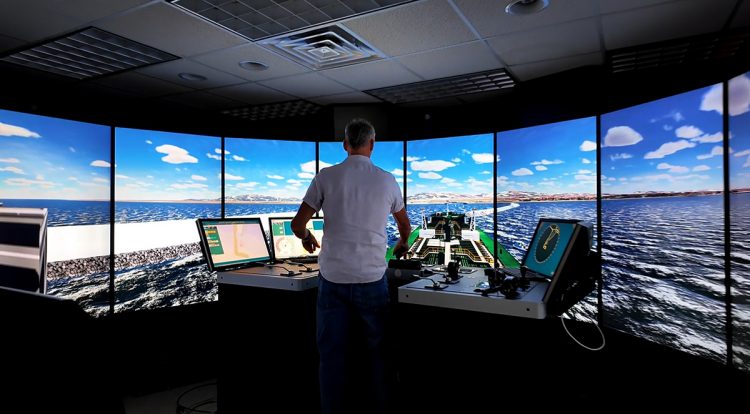
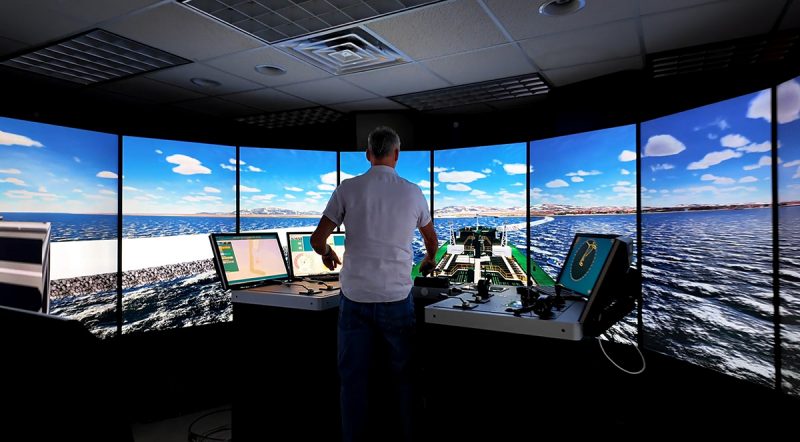
Navigating modern waterways demands precision engineering to safeguard our economy, prevent maritime accidents and eliminate millions in unnecessary construction and dredging costs. To meet this challenge, an order from U.S. Army leaders and an updated Engineering Regulation have established the U.S. Army Watercraft and Ship Simulator, located at ERDC’s campus in Vicksburg, Mississippi, as the…

Read More

Resources #80: Ship simulator takes on key role in civil works projects

Modifying modern navigation channels or constructing new inland navigation infrastructure or structures without prior simulation creates potential safety hazards and millions of dollars in unnecessary construction or dredging costs. To solve this, the U.S. Army Watercraft and Ship Simulator blends physics-based modeling with local pilot expertise — delivering optimized civil works designs that reduce project…

Read More

Video #80: Ship simulator takes on key role in civil works projects

https://www.youtube.com/watch?v=HRqxhdhXcOY Navigating modern waterways demands precision engineering to safeguard our economy, prevent maritime accidents and eliminate millions in unnecessary construction and dredging costs. To meet this challenge, an order from U.S. Army leaders and an updated Engineering Regulation have established the U.S. Army Watercraft and Ship Simulator, located at ERDC’s campus in Vicksburg, Mississippi, as…

Read More

#80: Ship simulator takes on key role in civil works projects

Navigating modern waterways demands precision engineering to safeguard our economy, prevent maritime accidents and eliminate millions in unnecessary construction and dredging costs. To meet this challenge, an order from U.S. Army leaders and an updated Engineering Regulation have established the U.S. Army Watercraft and Ship Simulator, located at ERDC’s campus in Vicksburg, Mississippi, as the…

Read More

#30: Oil on Ice: Improving spill response in frigid regions

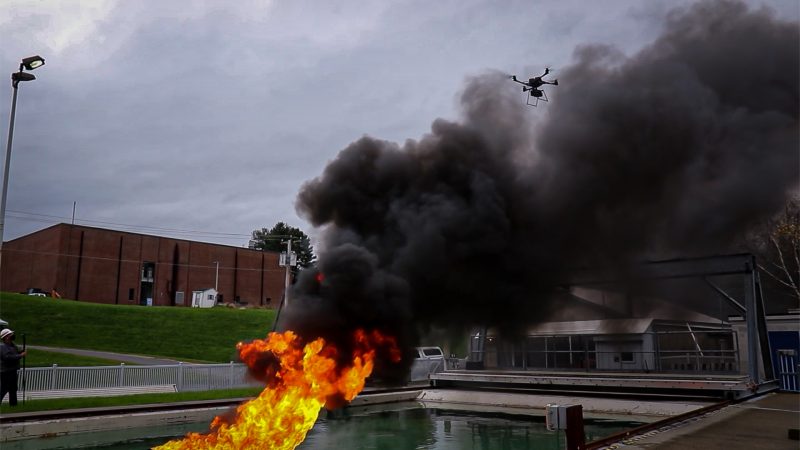
The environmental and economic toll of large-scale oil spills, such as the Exxon Valdez and Deepwater Horizon incidents, can linger for decades. That’s why research into better techniques and technologies for rapidly responding to these disasters is critical. One aspect of oil spill response that requires particular attention is the effect of ice and frigid…

Read More

#29: Underkeel Clearance: Quantifying demand for USACE dredging

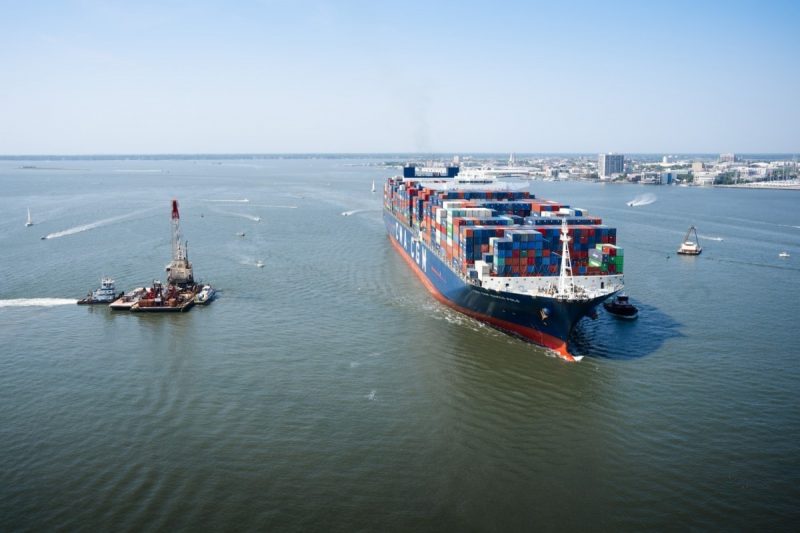
The ships calling upon U.S. ports have grown larger, and navigation channels must be dredged to greater depths to handle them. However, dredging is expensive, and the U.S. Army Corps of Engineers (USACE) needs more data-driven tools to prioritize limited resources more efficiently. Responding to this need, ERDC developed Underkeel Clearance. Applying newly available ship…

Read More

#28: Advanced manufacturing: Using 3D printing, new materials and optimized designs to produce large-scale components

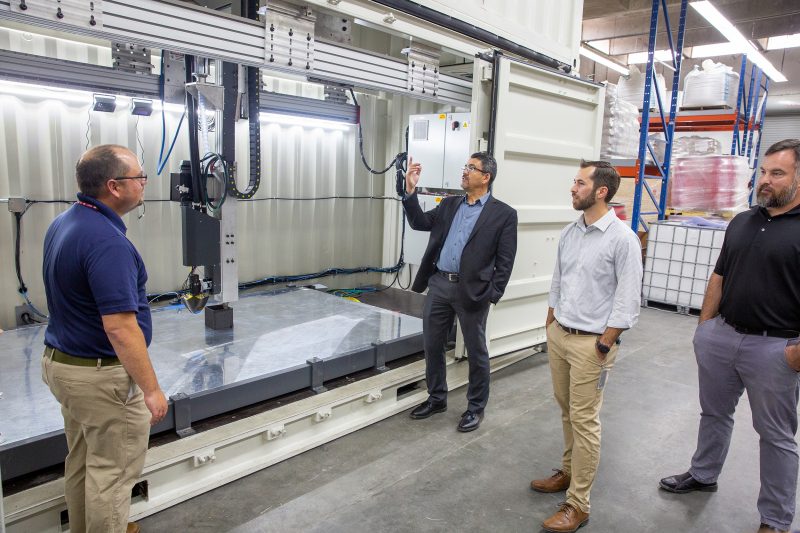
As America’s civil works infrastructure facilities age beyond their initial design lives, so do the thousands of individual components that keep them functioning. These original components were often fabricated using vintage material and manufacturing methods, making them costly, burdensome and time-consuming to replicate. However, if one of these parts were to suddenly break, that failure…

Read More