Coastal Engineering

#74: High-Tech Hide and Seek: Innovative testbed pushes underwater UXO detection technology to its limits

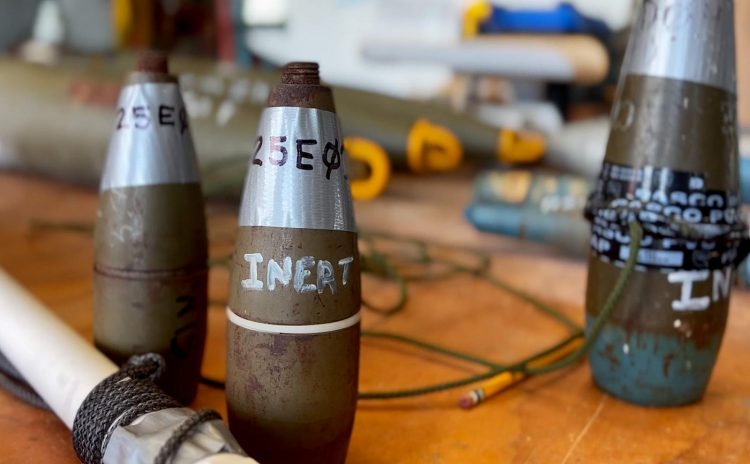
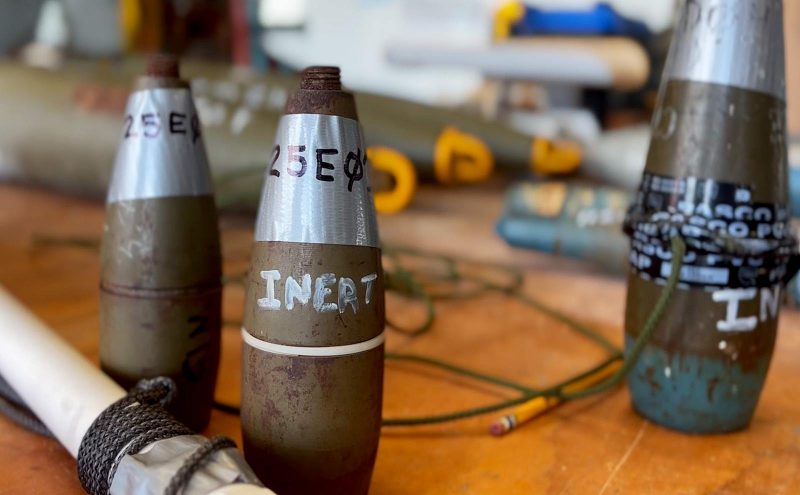
Across the country, coastal waters at Formerly Used Defense Sites (FUDS) potentially contain unexploded ordnance. Finding, identifying, characterizing and, when necessary, safely clearing these munitions in shallow-water environments presents an immense challenge. Cutting-edge robotic systems equipped with advanced sensors, acoustics and precision mapping tools hold potential to locate these hazards. However, these technologies must first…

Read More

Video: #74: Underwater UXO testbed

https://www.youtube.com/watch?v=Rv7sD6VRZIg Across the country, coastal waters at Formerly Used Defense Sites (FUDS) potentially contain unexploded ordnance. Finding, identifying, characterizing and, when necessary, safely clearing these munitions in shallow-water environments presents an immense challenge. Cutting-edge robotic systems equipped with advanced sensors, acoustics and precision mapping tools hold potential to locate these hazards. However, these technologies must…

Read More

#74: High-Tech Hide and Seek: Innovative testbed pushes underwater UXO detection technology to its limits

Across the country, coastal waters at Formerly Used Defense Sites (FUDS) potentially contain unexploded ordnance. Finding, identifying, characterizing and, when necessary, safely clearing these munitions in shallow-water environments presents an immense challenge. Cutting-edge robotic systems equipped with advanced sensors, acoustics and precision mapping tools hold potential to locate these hazards. However, these technologies must first…

Read More

#69: Sizing Up Sand: National project to chart grain size will improve beach management

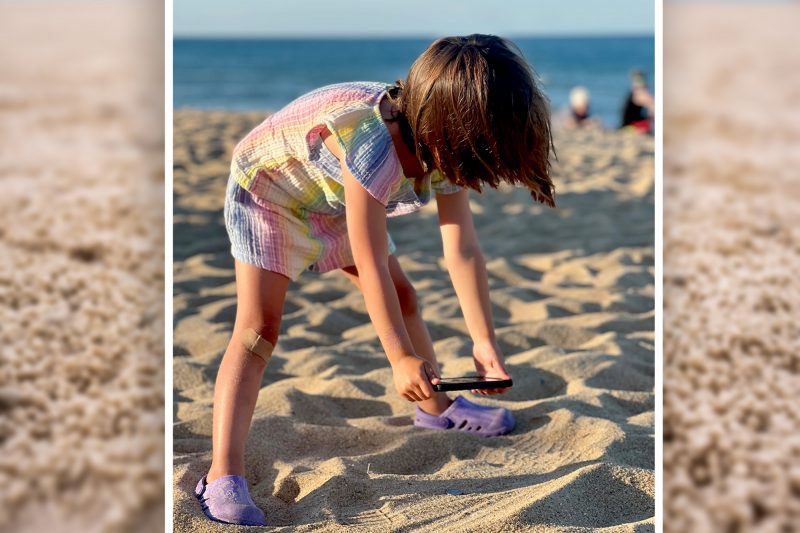
Have you ever wondered about the size of individual grains of sand at your favorite beach? Coastal engineers and scientists have. Knowing the range of sand grain sizes on a given beach can inform multiple coastal applications from designing robust beaches for flood risk management to beneficially using dredged sediment. However, collecting that information across…

Read More

Resources: #69: SandSnap 2.0

https://www.youtube.com/watch?v=pPk2PSFNWeY&authuser=0 ERDC launched SandSnap to build a national database of sand-grain size, filling a critical knowledge gap that will enable better beach management. Listen to episode 69 to learn more about SandSnap’s latest advancements and how it is making our coastlines more resilient to storms. You can also watch a video of the episode. MORE…

Read More

Video: #69: SandSnap 2.0

https://www.youtube.com/watch?v=juTq5FKG7cw Have you ever wondered about the size of individual grains of sand at your favorite beach? Coastal engineers and scientists have. Knowing the range of sand grain sizes on a given beach can inform multiple coastal applications from designing robust beaches for flood risk management to beneficially using dredged sediment. However, collecting that information…

Read More

#69: Sizing Up Sand: National project to chart grain size will improve beach management

Have you ever wondered about the size of individual grains of sand at your favorite beach? Coastal engineers and scientists have. Knowing the range of sand grain sizes on a given beach can inform multiple coastal applications from designing robust beaches for flood risk management to beneficially using dredged sediment. However, collecting that information across…

Read More

#68: Navigating the Dangerous & Chaotic: Surf observation science supports military’s critical amphibious operations

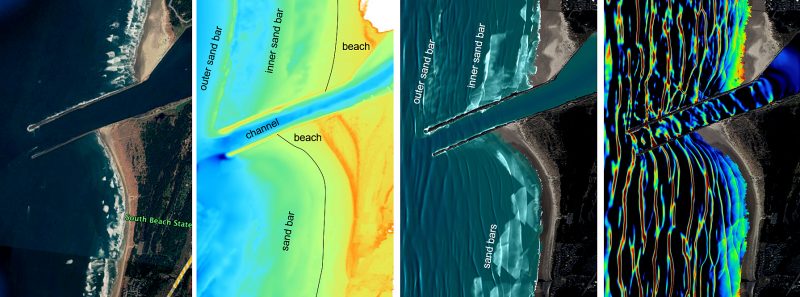
Sitting on the beach and watching the waves is something many of us envision as a dream vacation. But for a group of Marines and Sailors, observing and counting those waves — while estimating the speed and direction of the currents — is a critical mission. It is a manual, time-consuming process that carries inherent…

Read More

Video: #68: Surf Observation

https://www.youtube.com/watch?v=_qQS_kmoYxM Sitting on the beach and watching the waves is something many of us envision as a dream vacation. But for a group of Marines and Sailors, observing and counting those waves — while estimating the speed and direction of the currents — is a critical mission. It is a manual, time-consuming process that carries…

Read More

#68: Navigating the Dangerous & Chaotic: Surf observation science supports military’s critical amphibious operations

Sitting on the beach and watching the waves is something many of us envision as a dream vacation. But for a group of Marines and Sailors, observing and counting those waves — while estimating the speed and direction of the currents — is a critical mission. It is a manual, time-consuming process that carries inherent…

Read More