data

#52: Decades of Coastal Data is a ‘National Treasure’

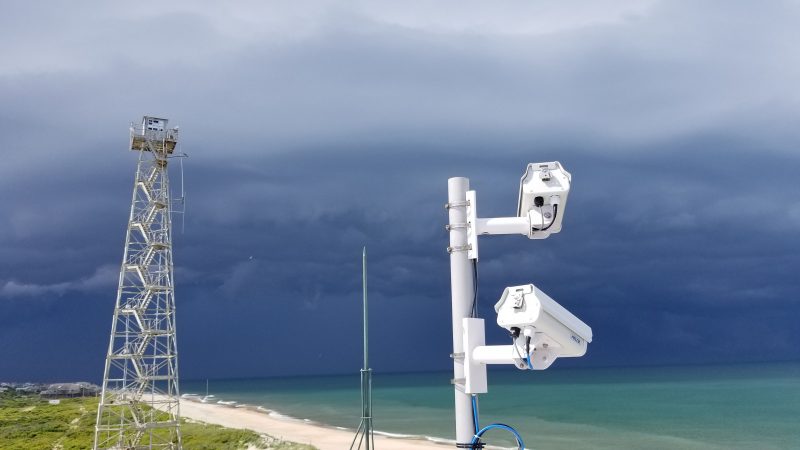
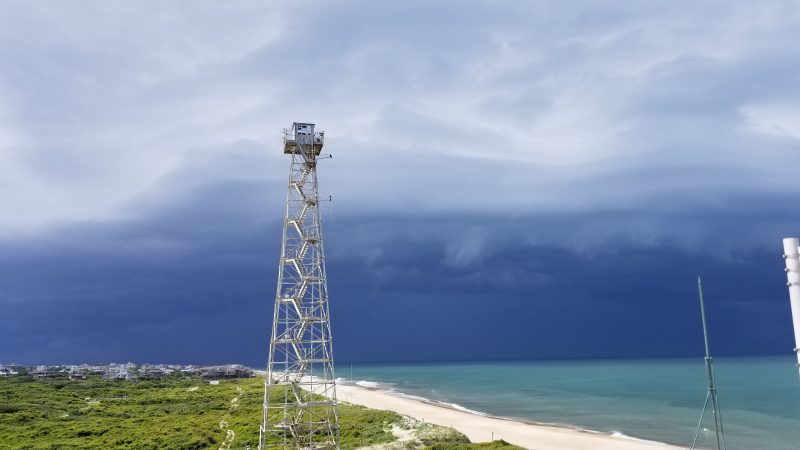
Mike Forte, a research physical scientist at ERDC’s Field Research Facility (FRF) in Duck, North Carolina, calls himself and his team “custodians” of the data continuously collected at the research facility. The team’s care for the data, collection methods and validation and preparation efforts have made this data a national treasure. Decades of data sets from constant observation…

Read More

Resources: #52: FRF data is a national treasure

At ERDC’s Field Research Facility (FRF), more than four decades of continuous coastal measurements have created a significant archive of nearshore conditions, a dataset that is a treasure trove for engineers and scientists around the world. The data, collected through a cadre of sensors throughout the beach, surf zone and beyond, is carefully managed and…

Read More

Video: #52: FRF data is a national treasure

https://www.youtube.com/watch?v=O57riXNJMuU Mike Forte, a research physical scientist at ERDC’s Field Research Facility (FRF) in Duck, North Carolina, calls himself and his team “custodians” of the data continuously collected at the research facility. The team’s care for the data, collection methods and validation and preparation efforts have made this data a national treasure. Decades of data sets from constant…

Read More

#52: Decades of Coastal Data is a ‘National Treasure’

Mike Forte, a research physical scientist at ERDC’s Field Research Facility (FRF) in Duck, North Carolina, calls himself and his team “custodians” of the data continuously collected at the research facility. The team’s care for the data, collection methods and validation and preparation efforts have made this data a national treasure. Decades of data sets from constant observation…

Read More

#42 Constructing AI’s Future

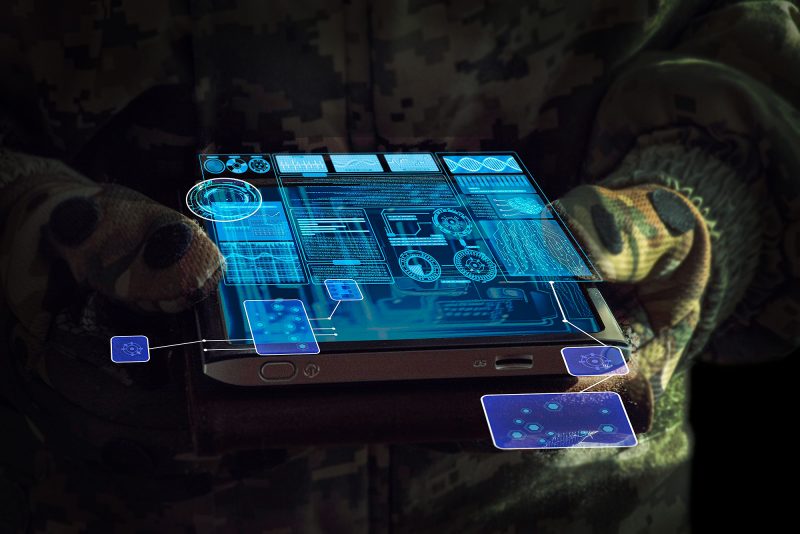
Artificial intelligence is no longer science fiction. Today, AI is powering critical processes across the Department of War and serving as a force multiplier throughout the U.S. Army Corps of Engineers’ military and civil works portfolios. In this episode of the Power of ERDC podcast, Dr. Robert Moser, director of ERDC’s Information Technology Laboratory, discusses…

Read More

Video: #42: Artificial Intelligence

https://www.youtube.com/watch?v=KSf0GQQEXa8 Artificial intelligence is no longer science fiction. Today, AI is powering critical processes across the Department of War and serving as a force multiplier throughout the U.S. Army Corps of Engineers’ military and civil works portfolios. In this episode of the Power of ERDC podcast, Dr. Robert Moser, director of ERDC’s Information Technology Laboratory,…

Read More

Podcast Resources: #42: Artificial Intelligence

On episode 42 of the Power of ERDC podcast, Dr. Robert Moser, director of ERDC’s Information Technology Laboratory, discusses how ERDC is developing AI tools, techniques and technologies into tangible, mission-ready solutions for the nation. LEARN MORE: ERDC, USACE use AI to help build new online resource library for field staff CLARITY effort aims to…

Read More

#42 Constructing AI’s Future

Artificial intelligence is no longer science fiction. Today, AI is powering critical processes across the Department of War and serving as a force multiplier throughout the U.S. Army Corps of Engineers’ military and civil works portfolios. In this episode of the Power of ERDC podcast, Dr. Robert Moser, director of ERDC’s Information Technology Laboratory, discusses…

Read More

#25: CorpsCam: Enabling more proactive coastal management through real-time monitoring and data

Monitoring large and constantly changing coastlines can be expensive, time consuming and dangerous. Traditional surveying methods are also limited because they only provide a single snapshot in time and don’t capture the full picture. As a result, coastal managers don’t always have the information they need to understand dynamic coastal conditions and plan projects that…

Read More

#25: CorpsCam: Enabling more proactive coastal management through real-time monitoring and data

Monitoring large and constantly changing coastlines can be expensive, time consuming and dangerous. Traditional surveying methods are also limited because they only provide a single snapshot in time and don’t capture the full picture. As a result, coastal managers don’t always have the information they need to understand dynamic coastal conditions and plan projects that…

Read More