Environmental Laboratory

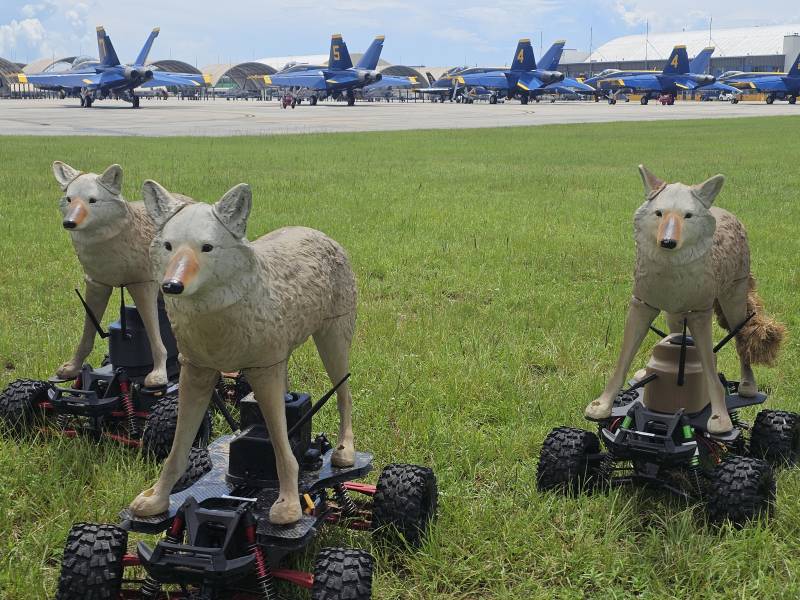
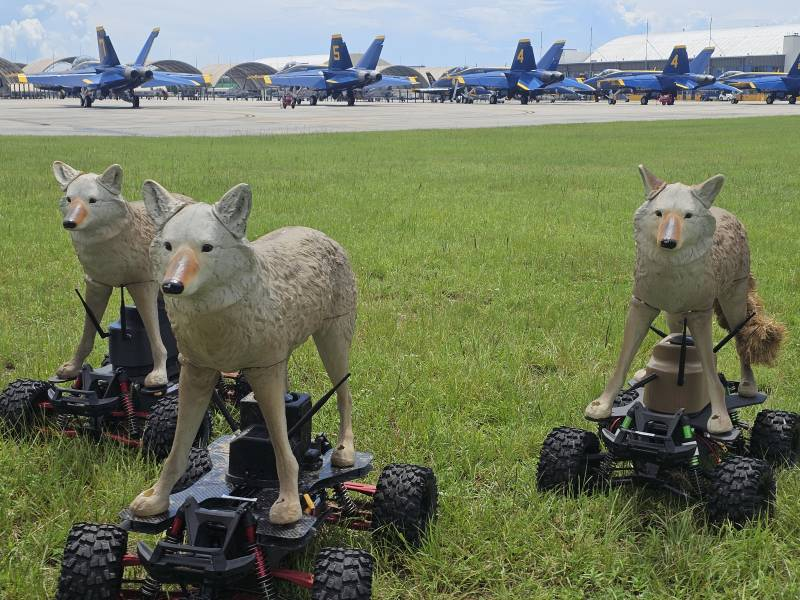
 #45: Robot coyote prototype blends engineering with natural world expertise

Bird strikes are a persistent and costly threat to aviation safety. According to the Federal Aviation Administration, more than 13,000 strikes are reported in the U.S. each year, costing hundreds of millions in damages and endangering both civilian and military aircraft. We are joined by ERDC’s Dr. Jake Jung and Dr. Brian Washburn with the…

Read More

#45: Robot coyote prototype blends engineering with natural world expertise

Bird strikes are a persistent and costly threat to aviation safety. According to the Federal Aviation Administration, more than 13,000 strikes are reported in the U.S. each year, costing hundreds of millions in damages and endangering both civilian and military aircraft. We are joined by ERDC’s Dr. Jake Jung and Dr. Brian Washburn with the…

Read More

Video: #45: Robot Coyote

https://www.youtube.com/watch?v=cZyYytdaVMw Bird strikes are a persistent and costly threat to aviation safety. According to the Federal Aviation Administration, more than 13,000 strikes are reported in the U.S. each year, costing hundreds of millions in damages and endangering both civilian and military aircraft. We are joined by ERDC’s Dr. Jake Jung and Dr. Brian Washburn with…

Read More

Podcast Resources: #45: Robot Coyote

To address the threat of wildlife strikes in aviation, ERDC and USDA are developing and testing an innovative solution called the “robot coyote.” This ground-based drone can patrol airfields to deter wildlife and prevent aircraft collisions. Since May 2025, word of the “robot coyotes” has gone viral, generating more than 500 million views across hundreds…

Read More

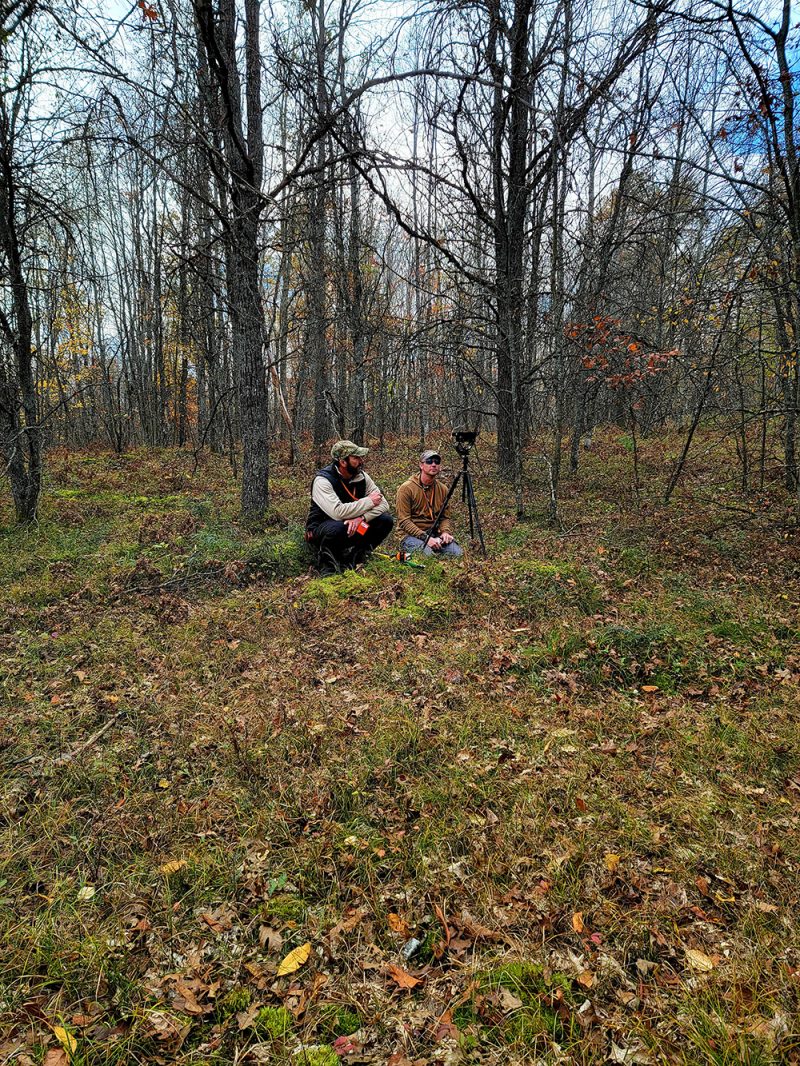
#39: Global Forest Modeling Toolkit: Mission-critical intelligence about vegetation around the world

Forests cover nearly a third of the Earth’s land surface and present multiple challenges to military forces. Dense trees restrict mobility, limit surveillance, impede air support and degrade communication. But not all forests are the same. To best counter these difficulties, leaders need detailed information about vegetation attributes, such as canopy cover, stem diameter and…

Read More

Video: #39: Global Forest Modeling Toolkit

https://www.youtube.com/watch?v=9lzrnJcOFwQ Forests cover nearly a third of the Earth’s land surface and present multiple challenges to military forces. Dense trees restrict mobility, limit surveillance, impede air support and degrade communication. But not all forests are the same. To best counter these difficulties, leaders need detailed information about vegetation attributes, such as canopy cover, stem diameter…

Read More

Podcast Resources: #39: Global Forest Modeling Toolkit

ERDC’s Forest Ecosystems Dynamics team developed the Global Forest Modeling Toolkit, which applies artificial intelligence and high-performance computing to provide detailed vegetation attributes of forests around the world. Listen to the podcast with ERDC’s Dr. Nathan Beane: PowerofERDCpodcast.org/39-global-forest-modeling Watch a video of the podcast: PowerofERDCpodcast.org/39-global-forest-modeling_video For inquiries about ERDC’s Global Forest Modeling Toolkit, email ERDCinfo@usace.army.mil During…

Read More

#39: Global Forest Modeling Toolkit: Mission-critical intelligence about vegetation around the world

Forests cover nearly a third of the Earth’s land surface and present multiple challenges to military forces. Dense trees restrict mobility, limit surveillance, impede air support and degrade communication. But not all forests are the same. To best counter these difficulties, leaders need detailed information about vegetation attributes, such as canopy cover, stem diameter and…

Read More

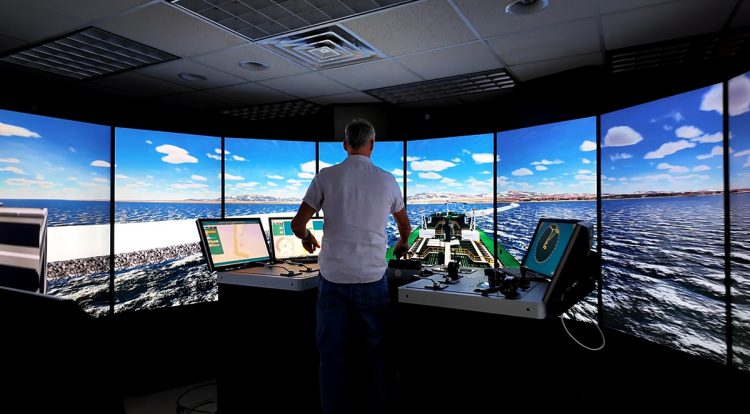
#34: Underwater ROV: Making aquatic infrastructure inspection safer, cost-effective

The U.S. Army Corps of Engineers (USACE) manages hundreds of locks and dams, which are critical components of a complex navigation system that is central to our nation’s economy and security. Inspecting this aging aquatic infrastructure often requires costly and dangerous processes, such as deploying divers or dewatering structures, halting the flow of goods and…

Read More

#34: Underwater ROV: Making aquatic infrastructure inspection safer, cost-effective

The U.S. Army Corps of Engineers (USACE) manages hundreds of locks and dams, which are critical components of a complex navigation system that is central to our nation’s economy and security. Inspecting this aging aquatic infrastructure often requires costly and dangerous processes, such as deploying divers or dewatering structures, halting the flow of goods and…

Read More